Last updated: 9 October 2026 at 9.20pm BST
In short
- Four Sussex organisations have received grants totalling £19,674 for neurodivergent and mental-health support.
- Three of the recipients provide services in Brighton & Hove: Hangleton & Knoll Project, The Clare Project and ADHD Aware.
- The funded work includes autism and ADHD workshops, identity-specific peer support, free ADHD groups and creative sessions.
- ADHD Aware’s existing Brighton and online drop-ins are open to adults without requiring a formal diagnosis.
- A second funding round is planned for 2027, but dates have not yet been published.
Four community organisations have been awarded almost £20,000 to expand neurodivergent and mental-health support across Sussex, including practical services for adults and families in Brighton and Hove.
The grants were announced by Sussex Partnership NHS Foundation Trust on Friday 9 October. They are the first awards from a new two-year partnership between the trust’s Heads On charity and Sussex Community Foundation.
What the Sussex neurodivergent support grants will fund
- Hangleton & Knoll Project — £4,980: peer-support and learning workshops for people diagnosed with autism or ADHD and their families. The programme is intended to reach diverse communities, including Bengali and Arabic-speaking residents.
- The Clare Project — £4,694: support for neurodivergent trans, non-binary and intersex adults, offering a place to meet others and access peer support.
- ADHD Aware — £5,000: free peer-support sessions for adults with ADHD and people waiting for an assessment, delivered in person and online.
- Compass Community Arts — £5,000: a creative programme in Eastbourne for adults experiencing isolation, mental illness, hidden disabilities or neurodivergence.
The four awards total £19,674. The NHS announcement says the first round focused on communities experiencing higher deprivation and barriers to healthcare. It does not specify launch dates, capacity or referral arrangements for every newly funded activity.
How Brighton and Sussex residents can access support
ADHD Aware currently runs an in-person adult drop-in at Friends Meeting House, Ship Street, Brighton, from 7pm to 9pm on the first Wednesday of each month. An online Zoom group runs at the same time on the second Wednesday. The charity says no diagnosis is required, but attendees should join its mailing list to receive booking details.
The Clare Project lists a monthly neurodivergent drop-in at The Ledward Centre, 14a Jubilee Street, Brighton. It is for autistic or otherwise neurodivergent adults who are trans, non-binary, intersex, gender-variant or questioning. The group says people can attend without advance notice, while anyone anxious about a first visit can contact the organisation to meet a facilitator beforehand.
Hangleton & Knoll Project has not yet published dates for the funded autism and ADHD workshops. Residents can monitor its What’s On page, email info@hkproject.org.uk or call 01273 706469.
Compass Community Arts is based in Eastbourne and already provides free creative workshops and drop-ins for people affected by isolation, trauma, mental illness and hidden disabilities. East Sussex County Council’s mental-health directory directs prospective members to the organisation’s new-member form.
These are peer-support and community programmes, not emergency or clinical services. Anyone needing urgent mental-health help can call NHS 111 and select the mental-health option. If someone’s life is in immediate danger, call 999 or go to A&E. Sussex Partnership also lists crisis and same-day support on its Getting Help page.
Why this matters locally
Neurodivergent adults often face a gap between recognising that they need support and receiving a diagnosis or specialist help. This funding is modest, but it reaches organisations already embedded in communities and, in ADHD Aware’s case, a service that explicitly welcomes people before diagnosis.
The inclusion of Bengali and Arabic-speaking communities in the Hangleton and Knoll work is also important. Access is not only about whether a service exists; language, confidence, identity and familiarity with statutory systems can determine whether people use it.
Brighton Locals’ view
Putting money into trusted grassroots groups is a sensible use of a relatively small fund because it can reach people who may not engage with formal services. The strongest feature is the mix of general and identity-specific support, rather than a single one-size-fits-all programme.
The limitation is transparency about delivery. The announcement gives award values and broad aims but not start dates, participant numbers or measurable outcomes for each project. Those details will matter when judging whether £19,674 produced lasting additional capacity rather than short-term activity.
What to watch next
Residents should watch for workshop dates from Hangleton & Knoll Project and any expanded schedules from the other recipients. Heads On says a second grants round is planned for 2027, which could widen support to other parts of Sussex. The evidence to watch will be attendance, waiting lists, accessibility and whether successful sessions continue after the grants end.
Image credit
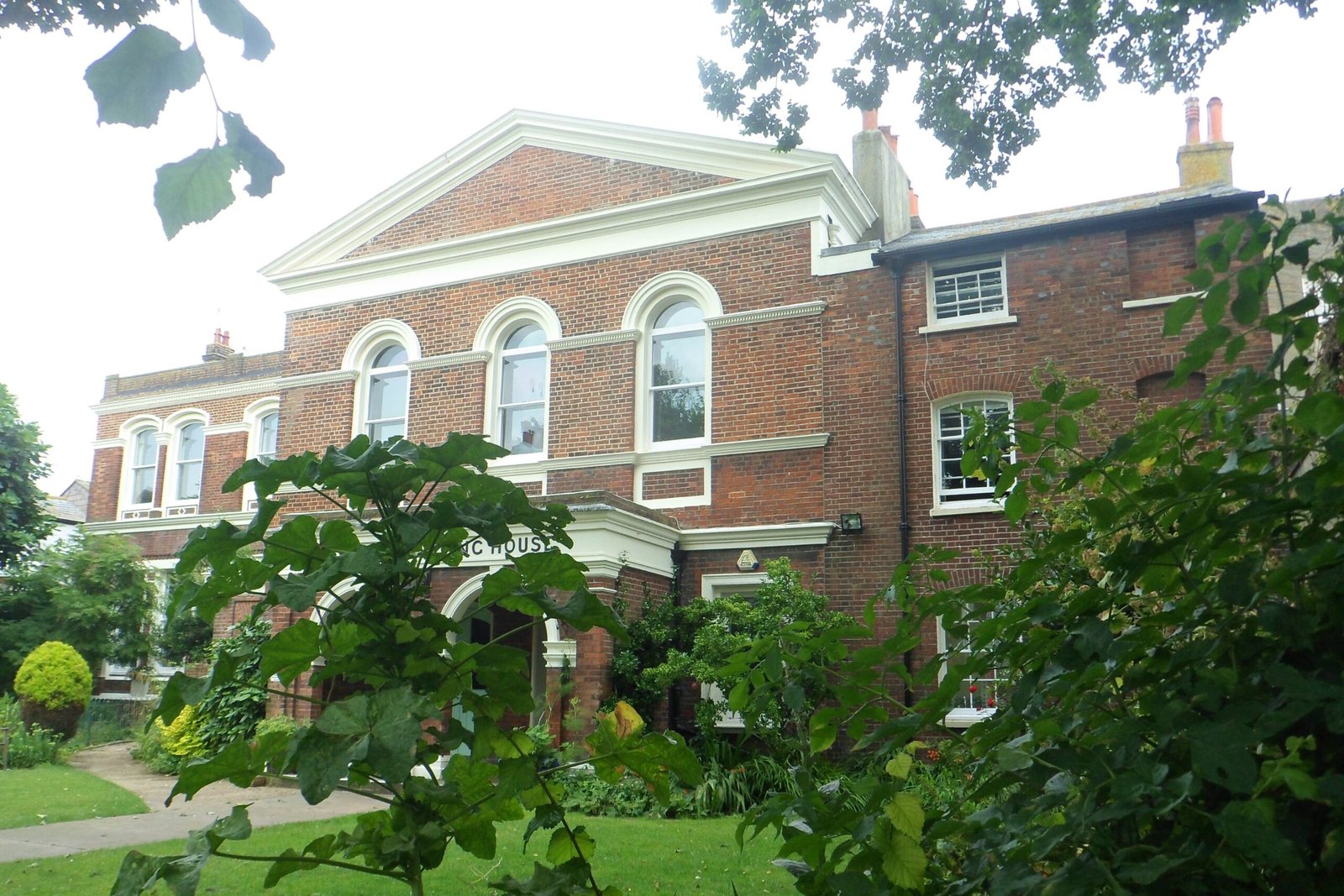
Friends Meeting House in Brighton, where ADHD Aware holds its in-person adult drop-ins. Archive photograph by Hassocks5489, 20 July 2014, via Wikimedia Commons. CC0. The image does not depict a support session.
_(July_2014).JPG)
Bottom line
Nearly £20,000 will not solve the wider shortage of neurodivergent support, but these grants should provide more practical, low-barrier help through organisations people can already contact in Brighton, Hove and Eastbourne.

Leave a Reply