Last updated: 11 October 2026, 7.29pm BST.
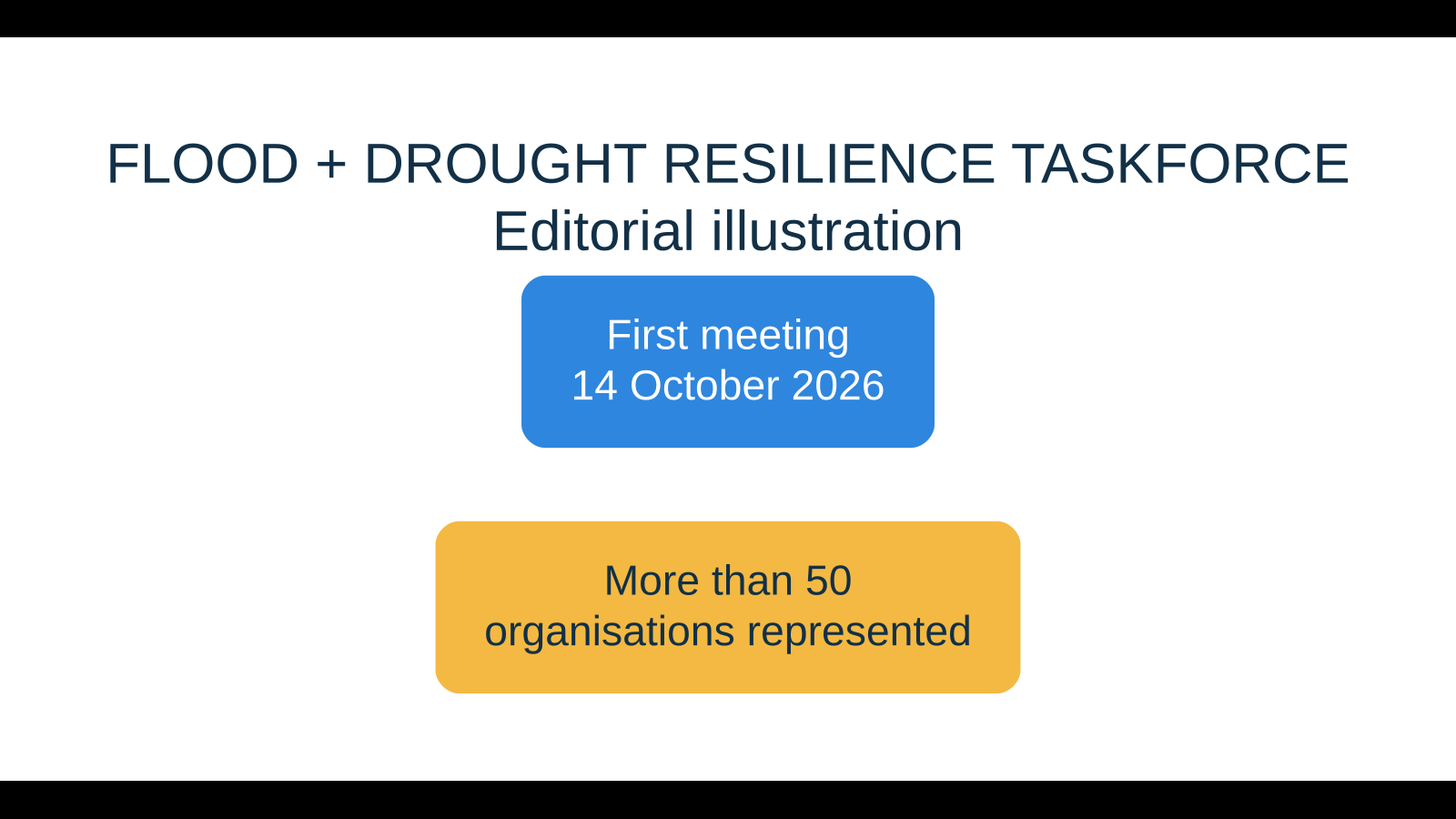
A new UK flood and drought taskforce will hold its first meeting on Wednesday 14 October 2026, bringing together representatives from more than 50 organisations to examine winter flood preparedness and lessons from the ongoing drought.
What the UK flood and drought taskforce is for
The Department for Environment, Food and Rural Affairs announcement says the taskforce will assess risks, preparedness and longer-term resilience. Fire and rescue services, mayoral authorities, farming, water and insurance organisations are among those represented.
The government says the body will complement the National Drought Group rather than replace it. That distinction matters: operational drought coordination already has its own forum, while the new taskforce has a broader strategic remit.
The funding context
The announcement places the taskforce alongside at least £10.5 billion committed to flood defences between 2024 and 2036, including £1.4 billion in 2026/27. These figures describe the wider programme, not a budget newly allocated to the taskforce.
For residents, a large national total does not establish when a specific river, surface-water system or coastal defence will be upgraded. Local schemes still require their own published plans, delivery dates and risk evidence.
Why this matters beyond Westminster
Sussex communities experience different forms of water risk, from coastal exposure and intense rainfall to pressure on water supplies. A forum joining forecasters, responders, water companies and insurers could improve coordination. That is a potential benefit, not proof of changed local protection.
What residents should do
Continue to use official flood warnings and local emergency advice for immediate decisions. The taskforce is not a substitute for those services. If you live in a risk area, check the Environment Agency’s flood information and your water company’s current restrictions or advice rather than waiting for the group’s first meeting.
Brighton Locals’ view
Editorial judgement: Linking flood and drought planning is sensible because the same infrastructure and climate pressures can expose weaknesses in both directions. The test is delivery: published actions, responsible organisations, deadlines and evidence of improved readiness.
What happens next?
The 14 October meeting should establish priorities. Useful follow-up would include minutes, measurable commitments and a clear account of how community evidence changes decisions.
Bottom line
A bigger table can improve coordination, but only transparent actions will show whether resilience has improved.
Featured image: Editorial illustration by Brighton Locals showing the first-meeting date and published scale of representation. It is not a map or forecast.

Leave a Reply