Last updated: 23 September 2026 at 8:42am
Martha’s Rule is being expanded to every hospital A&E department in England, including waiting areas, giving patients, relatives and staff a formal route to request an urgent review when someone appears to be getting worse and their concerns are not being heard.
In short
- The NHS has begun a phased expansion of Martha’s Rule into every A&E in England.
- The rollout is due to be completed by March 2028 and will include emergency-department waiting rooms.
- A dedicated hospital number will allow patients, families or staff to seek a rapid review by a different clinical team.
- The route is for possible deterioration and unheard safety concerns, not routine complaints or general second opinions.
- NHS England has not published a hospital-by-hospital launch timetable, so Sussex patients should check local signs or ask staff whether the A&E service is active.
What is changing under the Martha’s Rule Sussex A&E rollout?
NHS England announced that Martha’s Rule will move beyond inpatient wards and into all A&E departments. The expansion starts this month and is scheduled to reach every emergency department by March 2028.
The rule gives a patient, relative, carer or member of staff access to a dedicated telephone route when they believe a patient’s condition is deteriorating and their concern has not been acted on. The call can trigger a rapid assessment by clinicians who are separate from the team currently providing care.
An eight-month pilot across seven NHS trusts generated 69 calls. NHS England said some of those calls led to urgent surgery or a transfer to intensive care. The Guardian’s report on the announcement also records that the A&E expansion will include waiting areas, not only treatment bays.
Martha’s Rule is named after 13-year-old Martha Mills, who died from sepsis in 2021 after her parents’ warnings about her worsening condition were not acted on. A coroner found that she would probably have survived if she had been transferred to intensive care earlier.
Why this matters in Brighton and Sussex
The change will eventually apply to emergency departments serving the whole county, including Brighton’s Royal Sussex County Hospital and other A&Es run by University Hospitals Sussex, as well as Eastbourne District General Hospital and Conquest Hospital under East Sussex Healthcare NHS Trust.
The important practical change is where the safety route can be used. Martha’s Rule is already available on inpatient wards at acute hospitals in England, but a person can deteriorate before admission, while waiting or during assessment in A&E. Extending the rule to emergency departments closes that gap.
However, the national announcement does not say which Sussex A&E will launch first or give local phone numbers. It would therefore be wrong to assume that every local emergency department has activated the new A&E route immediately. Each hospital should advertise its own number when the service goes live.
What residents need to know
- Raise the concern with the clinical team first. Tell the nurse or doctor exactly what has changed, when it changed and why you believe the patient is getting worse.
- Ask for the nurse in charge or a senior clinician if the response does not address the safety concern.
- Look for Martha’s Rule posters or ask staff for the dedicated number. Do not use a number copied from another hospital because each trust operates its own route.
- Use the call for deterioration, not a general complaint. Martha’s Rule is intended for urgent concerns about a patient’s worsening condition when those concerns are not being heard.
- Do not wait for Martha’s Rule in a life-threatening emergency. Call 999 when someone is seriously ill or at immediate risk. For urgent advice outside a life-threatening emergency, use NHS 111.
If the A&E route has not yet launched at a particular Sussex hospital, patients and families can still ask staff to escalate the concern to a senior clinician. Complaints about past care should continue through the relevant trust’s complaints or Patient Advice and Liaison Service rather than the rapid-review line.
Brighton Locals’ view
Our assessment: extending Martha’s Rule into A&E is a welcome and potentially life-saving change. A formal route matters most when people are frightened, the department is busy and ordinary escalation has failed.
But the policy will only work locally if hospitals make it impossible to miss. Clear posters, an easy-to-find number, accessible information and staff who can explain the process are as important as the national promise. A rollout lasting until March 2028 also risks confusion unless each Sussex trust publishes exact launch dates for every emergency department.
What to watch next
The next useful local development will be confirmation from University Hospitals Sussex and East Sussex Healthcare NHS Trust of the launch dates and dedicated numbers for each A&E. We will also be watching whether the information is available in common community languages and accessible formats, and whether trusts publish data showing how calls affected patient care.
Evidence of prompt reviews, appropriate escalation and clear public awareness would support the NHS’s confidence in the scheme. Poor visibility or uncertainty about whether a department is participating would weaken it.
Bottom line
Martha’s Rule is coming to every Sussex A&E, but not necessarily all at once. The key message for patients and families is simple: if someone is visibly getting worse and you feel the concern is not being heard, speak up, ask for escalation and use the hospital’s dedicated Martha’s Rule number once it is advertised.
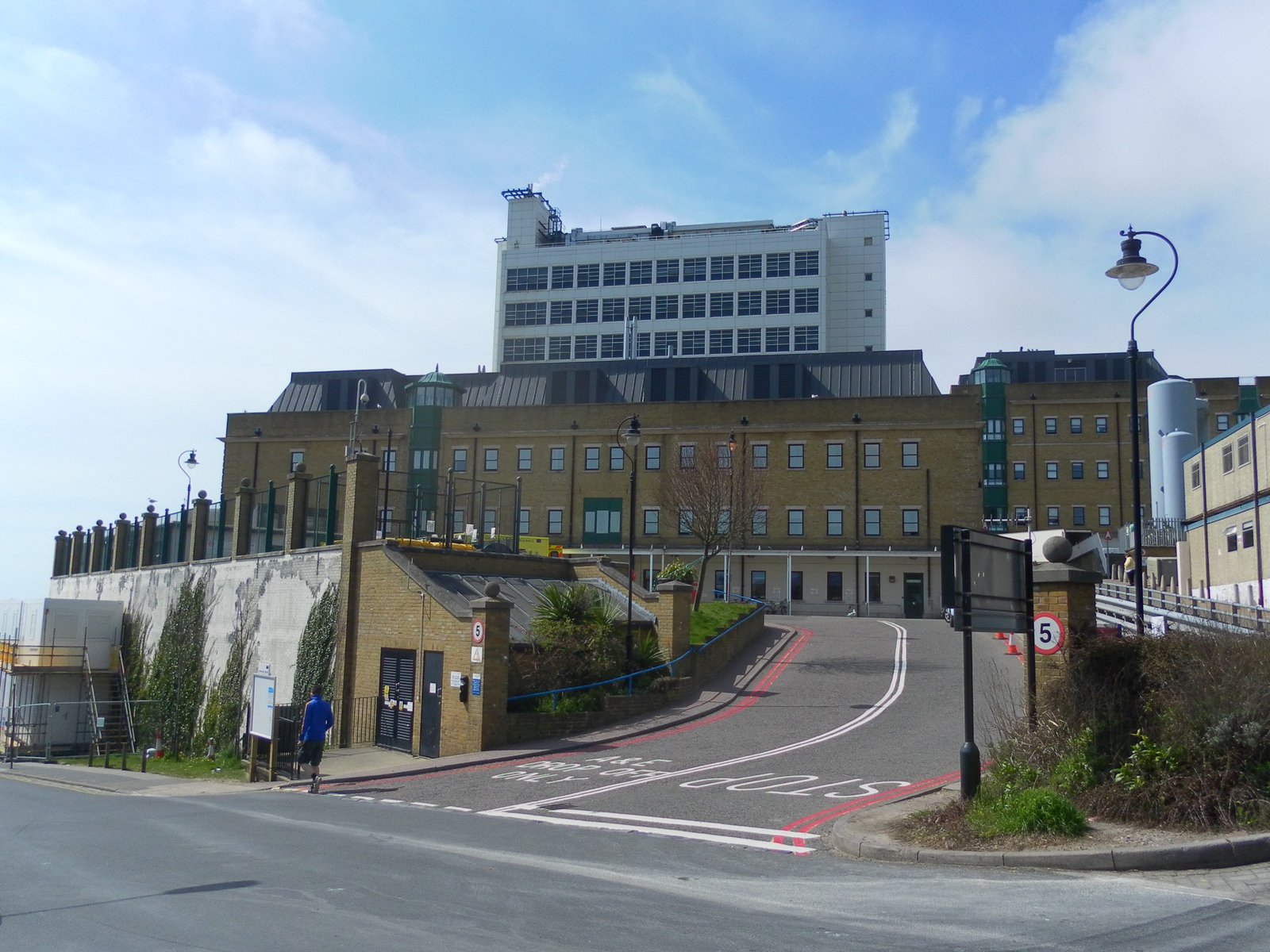
Image: Royal Sussex County Hospital A&E, photographed in April 2013. Creator: Hassocks5489 / Wikimedia Commons. CC0 1.0 public-domain dedication. The photograph predates the 2026 rollout.
Read more verified Brighton News from Brighton Locals.

Leave a Reply