Last updated: 9 October 2026 at 3:00pm BST
In short
- Brighton & Hove’s Planning Committee approved a temporary 47-person HMO at the former Brighton Girls junior school in Radinden Manor Road, Hove.
- The permission is retrospective: the building was already occupied when the application was submitted.
- The use must end within two years of the formal permission, with the building reverting to its lawful education use unless a fresh application is approved.
- Conditions include a 47-person cap, managed resident register, 24-hour maintenance, limits on outdoor areas after 11pm, and new cycle and waste arrangements.
- Residents should quote planning reference BH2026/00749 when checking documents or contacting the council.
A former school building in Hove can continue operating as a large house in multiple occupation for up to 47 people after councillors approved a strictly time-limited planning application.
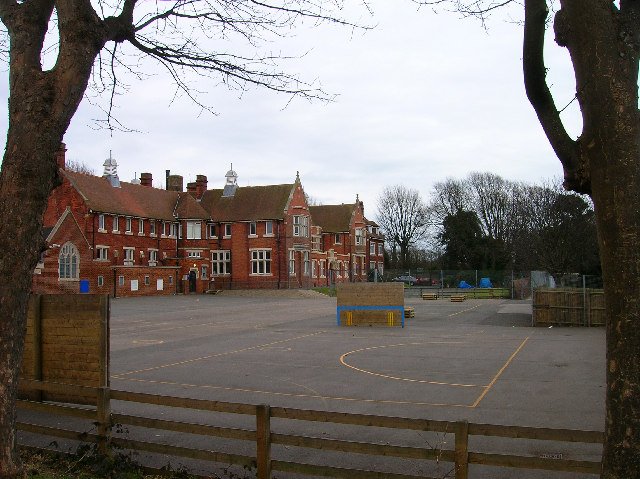
The decision affects the former Brighton and Hove High School junior department at 1 Radinden Manor Road, close to Old Shoreham Road. The council’s Planning Committee approved the retrospective change from education use to a 47-person HMO on Wednesday 7 October 2026. Brighton and Hove News reported the vote was eight in favour and one against.
What happened
The official committee report for application BH2026/00749 says the building had already been brought into use as an HMO and remained occupied. The applicant, Lowe Management Limited, sought a two-year “meanwhile use” while the wider site is sold and longer-term plans are developed.
The scheme provides 47 single-occupancy bedrooms: 13 on the ground floor and 17 on each of the first and second floors. The report records about 440 square metres of shared accommodation, including two kitchen areas and a communal room in the former school hall. The adjoining sports field is outside the application site and is intended to remain in educational use.
The committee’s approval is temporary. The HMO use must cease no later than two years from the date of the formal permission — or earlier if the use stops permanently. At that point, the building must revert to its lawful education use. Any permanent redevelopment would require a separate planning application.
Hove 47-bed HMO: the conditions that matter
The approval is not an unrestricted licence to operate. The council imposed conditions designed to make the unusually large HMO measurable and enforceable:
- No more than 47 people may use the premises as their sole or main residence.
- A head guardian must be retained, with unannounced monthly property inspections and monthly visits by the operator’s community managers.
- A dedicated 24-hour maintenance service, resident vetting, complaints procedure and conduct process must operate throughout the permission.
- An up-to-date resident register must be available to the council on reasonable request, and unregistered people cannot live there as their main home.
- Outdoor communal areas cannot be used between 11pm and 7am, except for access or emergencies.
- Plans for secure, covered parking for at least 47 cycles must be submitted within one month of permission and installed within one month of approval.
- Waste and recycling storage and collection arrangements must also be submitted within one month, then installed and managed as approved.
Why councillors accepted a policy trade-off
The officer report openly identifies conflicts rather than presenting the scheme as a perfect policy fit. The site’s lawful use is educational, and officers said the application did not fully demonstrate the circumstances normally required by policy DM9 for the loss of a community facility.
There was also a concentration issue. The report calculated HMO concentration at 16.7% within 50 metres, above the policy threshold of 10%, although the wider neighbourhood figure was much lower at 1.4%. The proposal also did not meet energy-efficiency policy requirements.
Officers nevertheless gave those conflicts reduced weight because the permission is temporary. They also pointed to the city’s housing shortage, the reuse of an otherwise vacant building, the absence of any loss of a family home, room sizes above national minimums and substantial shared space. The report says the council cannot currently demonstrate a five-year supply of housing land.
Why it matters locally
This decision sits between two genuine local pressures: Brighton and Hove needs more accommodation, but neighbours are entitled to expect that a 47-person HMO in a residential street is properly managed.
Fourteen objections raised concerns including late-night noise, taxis, parking, bins, lighting and reported antisocial behaviour. Two representations supported the reuse of the building and the extra accommodation, while two others commented without taking a position.
The key point is that approval does not erase those concerns. It turns them into a test of management and enforcement. The outdoor-hours restriction, resident register, inspection regime and deadlines for cycle and waste facilities give residents and the council concrete standards against which the operation can be judged.
What residents need to know
- Use reference BH2026/00749 to find the application and decision documents on the council’s planning system.
- Read the full officer report and conditions before reporting a possible breach.
- The operator is required to provide 24-hour maintenance and run a formal complaints process. The conditions also preserve the council’s ability to inspect the resident register.
- Noise and statutory nuisance powers remain available to the council independently of planning enforcement.
- Watch for the formal decision date: it starts the one-month deadlines for cycle and waste submissions and the two-year countdown.
Brighton Locals’ view
This is a pragmatic but uneasy approval. A temporary housing use is preferable to leaving a substantial building empty, and the conditions are more specific than vague promises of good management. But councillors have approved an operation that was already running despite acknowledged conflicts with community-facility, HMO-concentration and energy policies.
The decision will be justified only if the council enforces the conditions promptly. The real evidence will be quieter nights, contained waste, adequate cycle storage, an accurate occupancy register and swift responses to complaints — not simply the existence of a management plan.
What to watch next
The formal decision notice will set the clock running. Within one month, the operator must submit cycle-parking and refuse details. The next longer-term milestone is the two-year expiry, when the HMO must stop and the education use return unless another application changes the position.
A future redevelopment of the wider site would be a separate decision. That application, if made, would need to address housing mix, community use, transport, design and local amenity on its own evidence.
Bottom line
Hove gains 47 temporary rooms, but the council has attached a clear expiry date and detailed controls. The story now shifts from planning arguments to whether those safeguards work in practice.

Leave a Reply