Last updated: 1 November 2026, 18:12 GMT.
The US clocks change on Sunday 1 November 2026 ends daylight saving time in places that observe it, a week after the UK’s autumn change. For people arranging calls, remote work or visits from Brighton and Sussex, Monday’s appointment should be checked against the destination’s local time.
At a glance
- NIST confirms US daylight saving time ends at 2am local time on 1 November.
- The clock returns to 1am, repeating an hour.
- The UK moved back on 25 October and is now on GMT.
- Check a named destination; there is no single time covering the whole United States.
US clocks change: what happened today
The National Institute of Standards and Technology’s 2026 rules specify the November date and local-time transition. The UK government’s calendar separately confirms Britain’s 25 October change.
Those different Sundays create a short period when familiar transatlantic time differences change. An appointment copied from the final week of October without a location-aware calendar can therefore be an hour out after the US transition.
This is a change in civil clock settings, not in the length of a second. NIST’s explanation of its atomic time standards describes the precision measurements underpinning timekeeping; seasonal clock rules are a separate matter.
What you should do
Open the invitation and check the date, destination city and time zone. For a recurring meeting, inspect the first occurrence after 1 November rather than assuming the previous week’s displayed UK time still applies. Confirm the intended local start time with the organiser if the invitation is ambiguous.
Use the official US time service to check the relevant zone. Travellers should also use the date and local times on the airline or transport operator’s current itinerary. A clock change does not establish a flight delay or justify manually changing a booking.
Brighton Locals’ view
Editorial judgement: This is a small calendar change with a practical consequence for internationally connected households and businesses. The useful habit is to attach a place and date to a time, especially when countries change their clocks on different weekends.
What happens next
The immediate checkpoint is the first working-day call or appointment after the transition. Check that individual event, including any overnight date change, rather than relying on a remembered time difference.
Bottom line: Check the destination’s clock before Monday’s transatlantic plans.
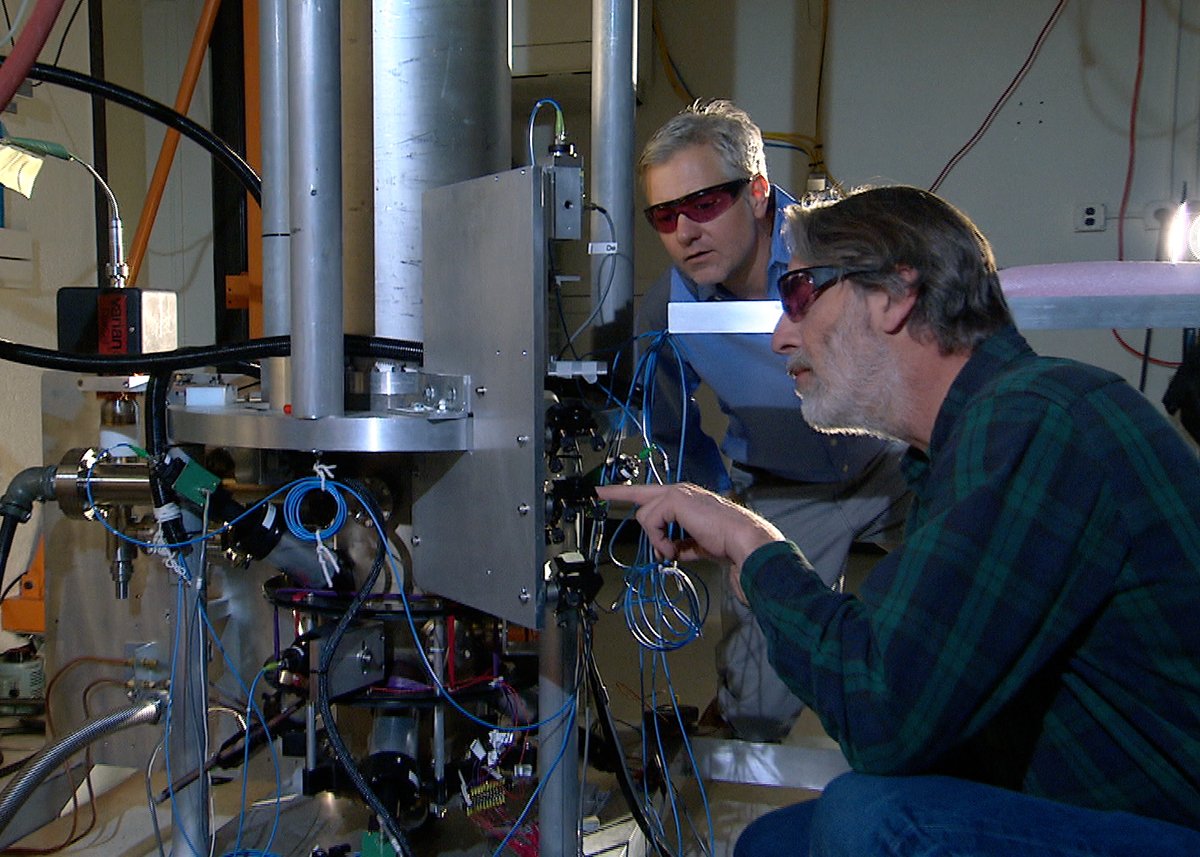
Archive: NIST physicists Steve Jefferts and Tom Heavner with the NIST-F2 atomic clock, March 2014. NIST / Wikimedia Commons, public domain US government photograph. It illustrates the US timekeeping authority, not today’s clock change.


Leave a Reply