Last updated: 15 October 2026, 9.03pm BST.
Sussex severe drought measures have been stepped up on Thursday 15 October 2026, with the government announcing closer monitoring and action to protect public water supplies. The important distinction for residents is where their drinking water comes from: this is not a single new set of restrictions covering every address in Brighton, Hove and the two Sussex counties.
At a glance
- Parts of East and West Sussex are included in today’s severe drought declaration.
- The Environment Agency identifies homes and businesses served by Ardingly Reservoir among the affected supply areas.
- South East Water’s Sussex hosepipe restrictions were already tightened on 9 October.
- Ardingly was 19.4% full on 11 October, according to the supplier’s weekly figures.
- Check your drinking-water supplier’s advice before assuming a rule applies to your home.
What the Sussex severe drought declaration changes
Defra’s 15 October announcement covers parts of six counties, including East Sussex and West Sussex. It says water companies have been instructed to monitor reservoir and river levels daily and strengthen water-quality monitoring. The Environment Agency will increase checks on businesses abstracting water, while Local Resilience Forums are being mobilised to coordinate support if needed.
Ministers have also told the agency to prioritise public water supplies where an unavoidable conflict with environmental requirements arises. That is a significant intervention in how depleted water resources are managed. It is not an announcement that taps across Sussex are about to be turned off.
Why your supplier matters more than the county boundary
The Environment Agency’s explanation, also published today, says severe drought does not automatically impose restrictions and is not a civil emergency. It identifies the homes and businesses served by Ardingly in West Sussex and Wimbleball in Somerset as the areas where public supply is most at risk.
That makes a supplier check more useful than a county-wide headline. A Brighton resident and someone living elsewhere in Sussex should not assume they have the same supply source or the same rules. Use the drinking-water company shown on your bill; the company handling wastewater is not necessarily the supplier you need for this check.
The figures are serious, but they have a date
South East Water’s latest published weekly reservoir figures put Ardingly at 19.4% full and Arlington at 43% on Sunday 11 October. These are dated measurements, not live readings taken this evening. The company says the reservoirs normally refill between October and April and also explains that groundwater sources form part of its supply system.
For readers, the distinction matters: a reservoir percentage is evidence of pressure on a particular resource, not a countdown showing when every local customer will lose water.
What residents and businesses should do
South East Water’s current restrictions page says Sussex exemptions were narrowed from 9 October, retaining hosepipe use required for health, safety or welfare. Read its Sussex-specific guidance rather than exemptions listed for other counties.
The company’s separate non-essential-use drought-order application says the proposed business restrictions require approval and are not currently in force. An application, a household hosepipe restriction and today’s drought declaration are different things.
Check the supplier’s incident page if your pressure changes, report visible leaks and deal with leaking toilets or taps at home. If you run a business using substantial water, read the proposed commercial restrictions now so you can assess your own activities without treating an unapproved measure as law.
Brighton Locals’ view
Our judgement is that clearer coordination is necessary, but household restraint must sit alongside visible action by suppliers and regulators. The public needs dated storage figures, precise supply-area information and honest explanation of any environmental trade-offs. County-wide alarm without those details makes practical decisions harder.
What to watch next
The next useful evidence will be the supplier’s new weekly reservoir figures, any decision on the business-use application and direct notices for affected customers. One wet day should not be treated as proof that the underlying shortage has ended. Our weather desk covers short-term conditions separately.
For Sussex households, the immediate task is simple: identify the right supplier, follow the rules already in force and check dated evidence rather than rumours of blanket shut-offs.
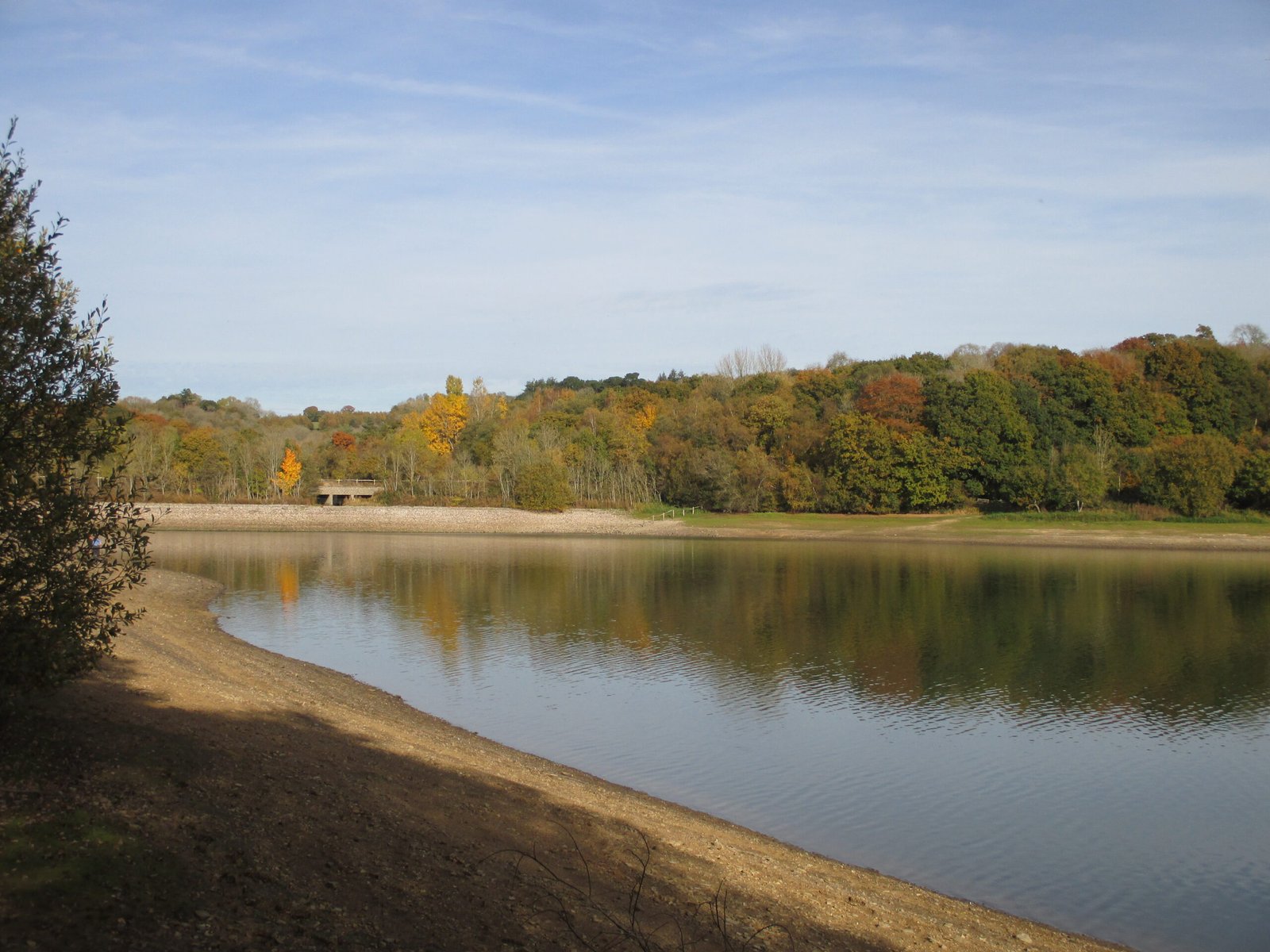
Featured photograph: Archive: Ardingly Reservoir, seen from the north bank with the Balcombe Lane causeway, 31 October 2016. Photo: Antiquary / Wikimedia Commons, CC BY 4.0. WordPress supplies resized and display-cropped versions. This is not a view of October 2026 water levels.


Leave a Reply