A planning report can recommend approval without permission having been granted. A meeting page can contain minutes of the previous meeting while its own outcome is still unpublished. This Brighton council meetings guide explains how to follow a local issue from the calendar to the evidence and, finally, the recorded decision.
The steps below were checked against Brighton and Hove City Council’s public meeting pages on 29 October 2026. They are a way to read the record yourself, rather than a claim that we attended a meeting or watched every debate.
1. Start with the Brighton council meetings calendar
The official monthly calendar lets you choose a month and year and switch between week and month views. Open the meeting name to reach its own page. Check the date again after following a search result: older meetings often have similar titles.
The calendar checked for October includes a Planning Committee entry on 28 October. This is a useful worked example, not a suggestion that every local issue goes to Planning. Find the committee actually handling your subject, then follow its meeting page.
2. Read the item, not just the pack title
On the 28 October Planning Committee page, the agenda includes a frontsheet, reports pack, a late-list addendum and presentation documents. Individual items also have their own reports and plans, with HTML versions available for several documents.
For example, Oakley House is item 72A, with application reference BH2025/02088. Those identifiers are much safer search anchors than a shortened development name. Record both when saving links or asking a question about the papers.
Read the report’s recommendation as a proposal to the decision-maker. Then look for later material. A late list can add information or alter what members are being asked to consider; reading only an earlier downloaded pack risks missing it.
3. Check the recording route is current
The navigation on the current agenda and calendar pages links Council webcasts to the council’s YouTube streams page. Use that route to look for a recording matching the committee and date. A video with the right venue but the wrong meeting is not the record you need.
Search engines also return the council’s older Public-i portal, whose page still refers to archived webcasts being available until September 2019. That dated wording is a reason to return to the current agenda’s link, rather than assume an old portal is the complete present-day archive.
When watching a recording, note the item and a timestamp for the relevant discussion. That makes it easier to compare the debate with the written record later, or explain exactly which statement you are querying.
4. Separate the debate from the recorded outcome
The council also provides a decisions listing. Check the date range shown rather than assuming the first results cover today. Return to the meeting page for any published outcome or minutes.
Look carefully at document labels. On the 28 October agenda, item 68 links to minutes of the previous meeting. Their presence does not mean minutes of 28 October have already appeared. Equally, an officer’s recommendation printed before the meeting does not establish the vote taken afterwards.
For planning, keep the application reference and check the formal planning record for the decision and conditions as they become available. Our Oakley House report distinguishes the reported committee outcome from the formal notice we had not read when that update was published.
5. Save a useful record
A simple note can contain four things: the issue, the meeting and item, the source link, and what remains unconfirmed. Save the version date of a document where one is shown. If a document is missing or two official pages disagree, use the named meeting contact on the agenda page and describe the discrepancy precisely.
Watching is separate from taking part. Anyone wanting to ask a question, speak or attend should check the arrangements for that specific meeting; this guide does not substitute one committee’s participation rules for another’s.
Brighton Locals’ view
Our editorial judgement: the public record is valuable, but finding the right document takes persistence. The strongest habit is to keep asking what stage you are reading. A recommendation, a discussion, a vote and a formal notice can answer different questions. Clear links between those stages would make local decisions easier for everyone to scrutinise.
Keep this rule handy: find the meeting, read the latest papers, then verify the outcome. Three separate checks are more useful than one confident-looking search result.
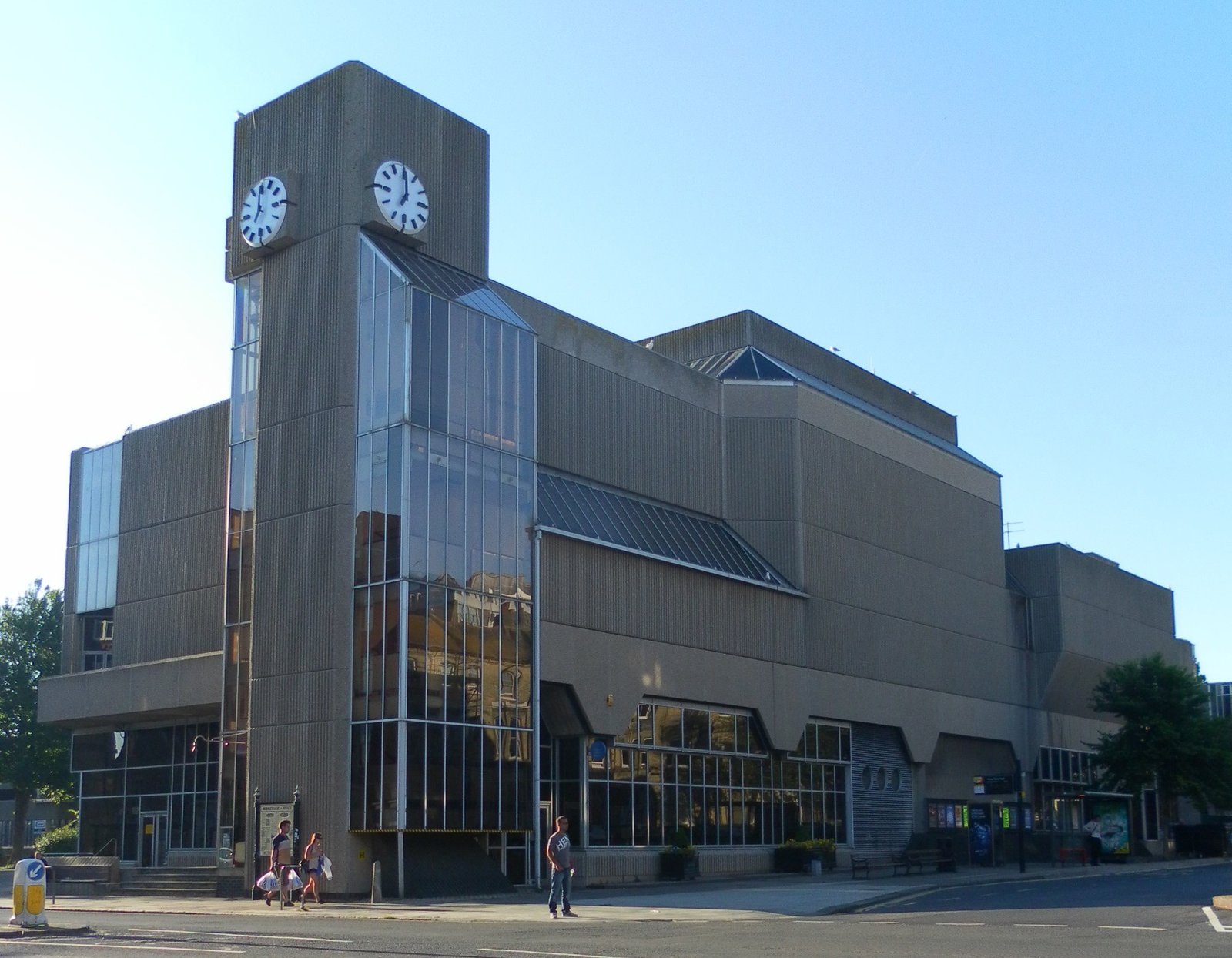
Image: Hove Town Hall, Norton Road, 24 July 2012, by Hassocks5489, CC0. An archive exterior of the venue named on the worked example’s agenda.


Leave a Reply