Last updated: 11 October 2026, 3.20am BST
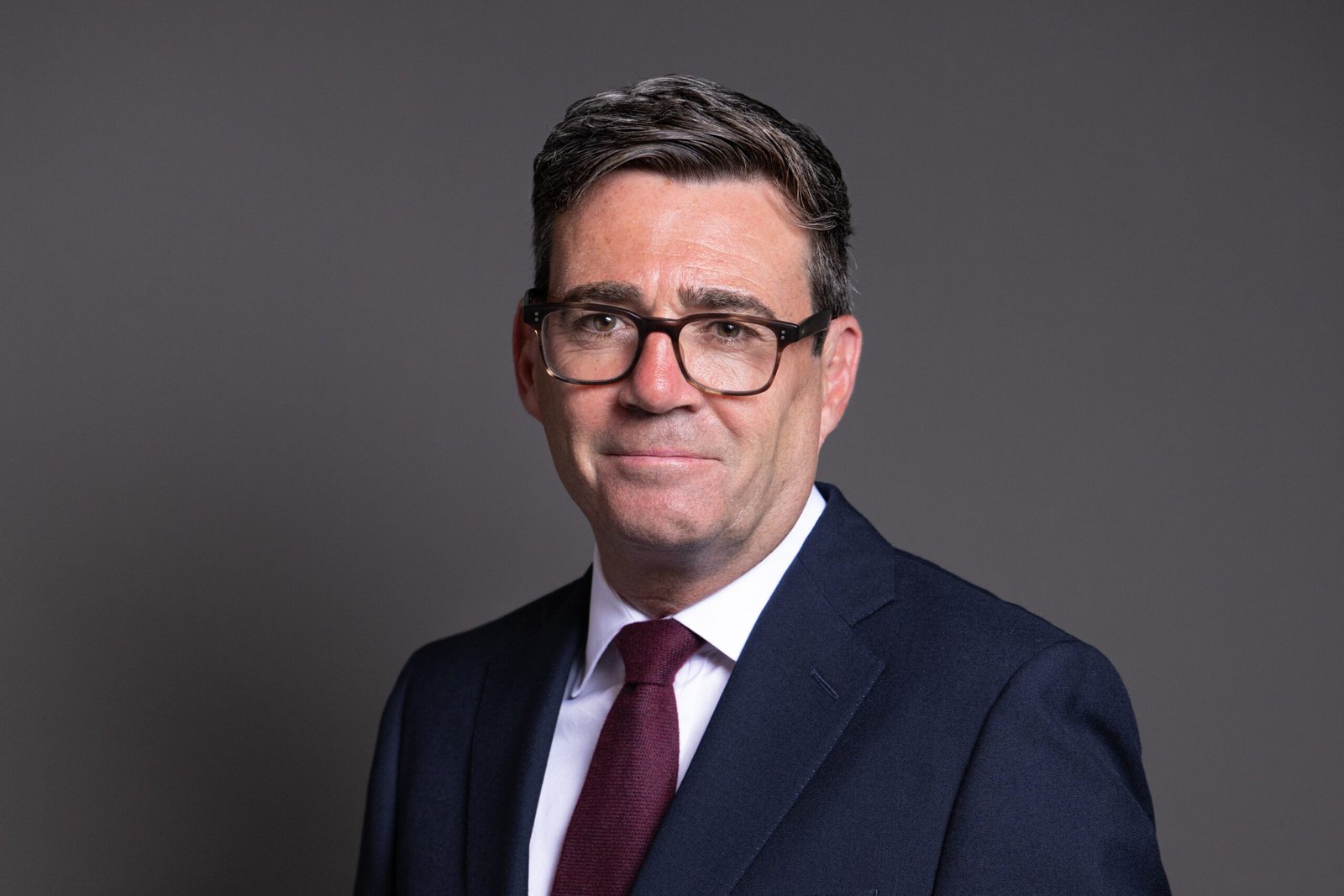
Prime Minister Andy Burnham and Ukrainian President Volodymyr Zelenskyy have called for an immediate “energy ceasefire” after a difficult 24 hours for Ukraine, according to a Downing Street account of their conversation on Saturday 10 October.
At a glance
- The leaders spoke on 10 October and agreed that Russia should stop attacks on Ukrainian energy infrastructure and civilian shipping in the Black Sea.
- Downing Street said the UK would continue strengthening sanctions and taking action against Russia’s war economy.
- The official statement linked an energy ceasefire to the release of more energy and food supplies into global markets.
- The two leaders agreed to meet in person in the coming days.
- No new UK household energy-price measure or immediate sanctions package was announced in the call readout.
What was agreed in the UK–Ukraine call
The official Downing Street statement says Burnham reiterated UK solidarity with Ukraine and discussed maintaining pressure on Russia.
The two leaders said an immediate energy ceasefire should cover attacks on Ukrainian infrastructure and civilian shipping in the Black Sea. The UK statement argues that stopping those attacks would allow more energy and food supplies to reach global markets.
Downing Street also said Britain would continue to strengthen sanctions and constrain Russia’s war machine, building on UK designations announced earlier in the week. The readout did not list a new package or timetable, so that should be treated as a statement of intent rather than a completed policy change.
The wider context
Reuters reported on 10 October that the call followed intensified attacks on Ukraine and a dispute surrounding a new US–Russia diesel agreement. The agency said a Russian attack on Zaporizhzhia killed civilians, while diplomatic efforts remained under heavy strain.
Those reports add context, but the UK statement itself is narrower. It confirms the request for an energy ceasefire, continued sanctions pressure and an expected face-to-face meeting. It does not announce a peace agreement or say that Russia has accepted the proposal.
Why energy and Black Sea shipping matter
Ukraine’s power system is essential to homes, hospitals, communications and industry. Repeated damage can create humanitarian pressure even when front lines do not move.
The Black Sea is also a major route for agricultural exports. Disruption to ports and civilian shipping can affect insurance, freight capacity and confidence well beyond Ukraine. That is why the UK readout connects the conflict to global food and energy availability.
However, a diplomatic call does not produce an immediate change in British bills. Household energy prices depend on wholesale markets, regulation, contracts and the Ofgem price cap. Readers should be cautious of claims that this conversation alone has raised or lowered UK prices.
What is confirmed and what remains uncertain
Confirmed: the leaders spoke on 10 October; both supported an immediate energy ceasefire; the UK repeated its commitment to further sanctions pressure; and they agreed to meet in person.
Not confirmed: Russian acceptance, a date or venue for the leaders’ meeting, the contents of any next sanctions package, or a direct effect on UK consumer prices.
What readers should do
- Use official UK government, Ukrainian government and established news-agency updates for fast-moving diplomatic claims.
- Check whether a claimed sanction has actually been published in the UK Sanctions List before treating it as active.
- Do not infer a change to household bills from movements in oil or gas headlines alone.
- Be wary of recycled battlefield footage or posts that do not state the place and date.
Brighton Locals’ view
Calling for an energy ceasefire is a clear and potentially useful objective because it focuses on civilian infrastructure and trade routes. But the test is not the wording of the call. It is whether the proposal gains international support, whether attacks actually fall and whether sanctions announcements are followed by enforceable measures.
The government should publish concrete details after the planned in-person meeting, including any new designations and the evidence for their likely effect.
What to watch next
The next markers are the timing of the Burnham–Zelenskyy meeting, any formal UK sanctions notice, Russia’s response and verified data on attacks against energy infrastructure and Black Sea shipping.
Bottom line
The UK and Ukraine have set out a specific diplomatic demand, but it remains a proposal. Its importance will depend on what changes on the ground and what the UK formally implements next.
Related: UNCTAD’s latest global growth and trade outlook.

Leave a Reply