Last updated: 10 October 2026, 10.38pm BST.
South African jurist Navanethem “Navi” Pillay has been awarded the 2026 Nobel Peace Prize for her work advancing international law and accountability for war crimes, crimes against humanity and genocide.
Why Navi Pillay received the Nobel Peace Prize
The Norwegian Nobel Committee’s formal announcement presents the award as a defence of international law at a time when courts and legal institutions face political pressure.
It credits Pillay with expanding the practical reach of international law across a career that moved from anti-apartheid legal work in South Africa to major international tribunals. The committee says she helped ensure that war crimes, crimes against humanity and genocide are prosecuted rather than treated only as political disputes.
Who is Navi Pillay?
Pillay was born in Durban in 1941 into a family of Indian Tamil origin under apartheid. She became a lawyer and defended political activists, later serving as a judge on South Africa’s High Court.
She went on to sit at the International Criminal Tribunal for Rwanda and the International Criminal Court, and served as UN High Commissioner for Human Rights. More recently, she chaired the UN Independent International Commission of Inquiry on the Occupied Palestinian Territory and is a judge in the International Court of Justice case concerning allegations of genocide against Myanmar.
The committee particularly notes the Rwanda tribunal’s recognition that rape and sexual violence can constitute crimes against humanity and genocide, and credits Pillay’s influence in that legal development.
What the award does and does not mean
A Nobel Peace Prize is a judgement by the five-member Norwegian Nobel Committee. It is not a court ruling and does not settle contested legal or political questions by itself.
Its significance is symbolic and institutional. By choosing a judge associated with tribunals and human-rights law, the committee is arguing that peace depends on enforceable rules and individual accountability, not only negotiation between powerful states.
The United Nations’ account of the award similarly highlights Pillay’s work on human rights and international justice.
Brighton Locals’ view
Our assessment: the committee has made a deliberately institutional choice. Pillay is not being honoured for a single peace agreement, but for decades spent building legal routes through which victims can document abuse and pursue accountability. The award’s credibility will ultimately depend on whether states support courts when rulings are inconvenient, not only when they favour their interests.
What to watch next
Watch for Pillay’s Nobel lecture and the language she uses about the current pressure on international courts. The award ceremony is expected in Oslo on 10 December, the anniversary of Alfred Nobel’s death.
Bottom line: the 2026 Peace Prize recognises a lifetime of using law against impunity. Its larger message is that peace without legal accountability is fragile.
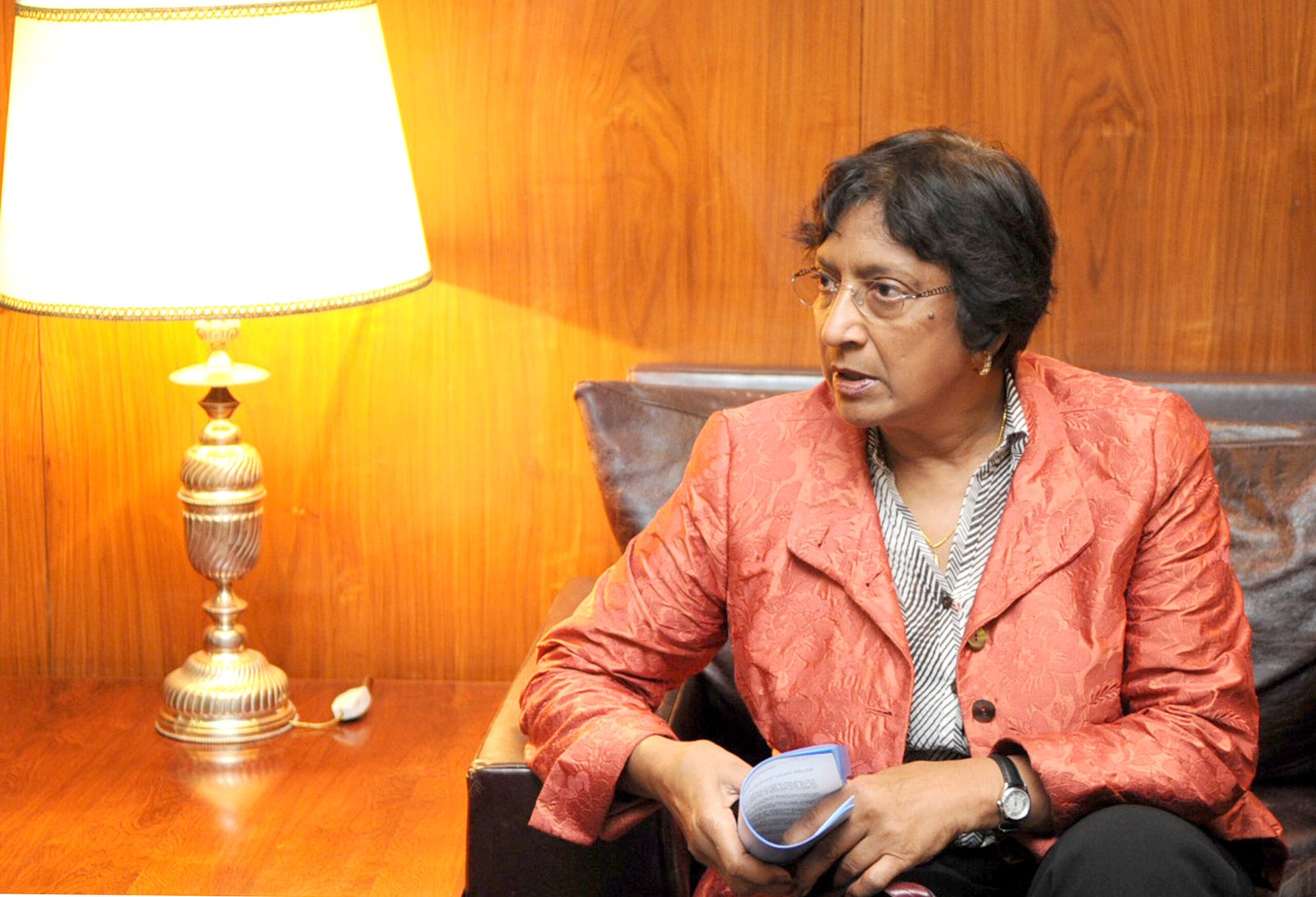
Featured image: Navi Pillay during a 2009 visit to Brazil. Photo: Antônio Cruz / Agência Brasil, via Wikimedia Commons, CC BY 3.0 Brazil. This is an archive image and does not show the Nobel announcement.

Leave a Reply