Last updated: 9 October 2026 at 19:15 BST
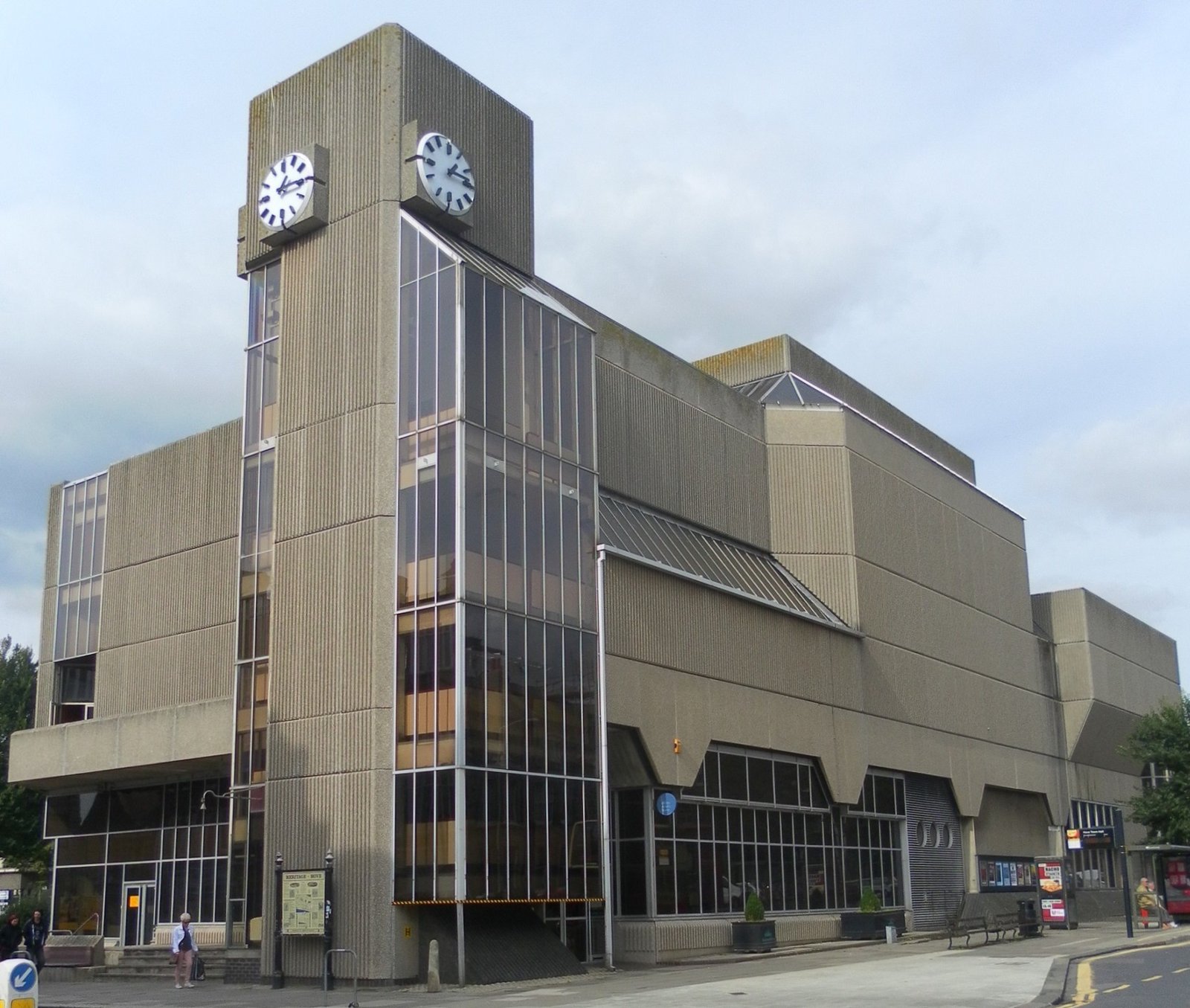
What changed on 9 October: Brighton & Hove City Council has set a Planning Committee meeting for Wednesday 28 October at 2pm at Hove Town Hall. It will consider applications already called in by councillors before the new national delegation rules take effect three days later.
The Brighton planning committee changes approved by Brighton & Hove City Council will alter how local applications are decided from Saturday 31 October. Many more cases will be determined by planning officers rather than voted on in public by councillors.
The decision was taken at the full council meeting on 1 October to comply with new national regulations. The practical effect is that the number of public objections will no longer trigger a committee hearing, and ward councillors will lose their existing power to request that an application is “called in”.
In short
- The Planning Committee will meet at 2pm on Wednesday 28 October at Hove Town Hall.
- The meeting is intended to hear applications already called in before the new system begins.
- The new Brighton planning committee changes take effect on Saturday 31 October 2026.
- Householder, minor commercial and minor residential applications will have to be decided by officers.
- Residents can still comment, but objections or a councillor request will no longer force a committee hearing.
What happened: the 28 October planning meeting
The council’s official meeting page confirms the date, time and proposed venue. The agenda is due to appear in the week before the meeting, and the session is scheduled to be webcast.
Planning Committee chair Councillor Alison Thomson told the Local Democracy Reporting Service that the earlier meeting would deal with applications which members had already called in but which might not qualify for committee under the new national scheme. The report, published by Brighton and Hove News on 9 October, said the council planned to scrap the meeting scheduled for 4 November.
There is a live diary discrepancy: the council’s meetings website still listed both 28 October and 4 November when Brighton Locals checked at 19:15 on 9 October. Residents should treat 28 October as the confirmed pre-change meeting and check the official calendar before relying on the 4 November date.
What Brighton’s planning committee changes do
The council’s official constitution review report says the reforms represent a major change to its current approach. They are required by the Town and Country Planning (Discharge of Local Planning Authority Functions) (England) Regulations 2026, so the council could not simply retain its old system.
Applications in the first national category must always be delegated to officers. These include householder proposals, minor commercial schemes and minor residential developments of up to nine homes on sites smaller than 0.5 hectares, alongside prior approvals and several other technical applications.
A second category includes major planning applications, listed-building consents, advertisement consents and decisions involving tree preservation orders. These are presumed to be delegated too, but may be referred to committee through a new “Gateway Test”.
To pass that gateway, an application must raise either a significant planning matter or an economic, social or environmental issue of significance to the local area. Brighton & Hove’s head of planning and the chair of the Planning Committee must then agree that it should be heard in public. If they cannot agree, the regulations require the application to be decided by officers.
Applications affecting the Royal Pavilion or Brighton Dome are among those the council has identified for gateway consideration. Council-related or other “own-interest” applications may also be referred, but a committee hearing is not automatic.
Why this matters locally
Until now, ward councillors, the Conservation Advisory Group and the Disabled Access Advisory Group could request that certain applications went before councillors. A specified level of public objection could also trigger referral. Those routes are being removed.
This matters in a city where planning disputes regularly concern conservation areas, conversions, student housing, short-term accommodation and the balance between new homes and neighbourhood character. Recent cases such as the Old Slipper Baths housing proposal and the Warren Road council homes plan show why residents pay close attention to which cases receive a public hearing.
The national government’s stated aim is to let committees concentrate on proposals that genuinely matter to an area while officers handle minor or technical work. The countervailing risk is that the gateway itself becomes the decisive stage without the visibility of a committee debate.
Local Democracy Reporting Service coverage published by Brighton and Hove News confirmed that councillors voted the changes through. It also recorded cross-party concern about reduced democratic oversight, while the committee chair said monthly meetings were still expected to continue.
What residents need to know
The changes do not remove the right to comment on planning applications. The council says relevant consultations normally allow at least 21 days for responses.
- Use the Brighton & Hove Planning Register to search by address, postcode or application number.
- Comment before the published deadline and focus on material planning issues such as design, traffic, overlooking, heritage, noise, access or policy compliance.
- Track the application online rather than assuming a large number of objections will produce a committee hearing.
- If your case appears on the 28 October agenda and you want to speak, register separately with Democratic Services. Under the council’s four-working-day rule, the deadline falls at 12 noon on Thursday 22 October; confirm this when the agenda appears. Email democratic.services@brighton-hove.gov.uk or planning.committee@brighton-hove.gov.uk, or call 01273 291064.
The council’s current committee guidance gives objectors, applicants and ward councillors three minutes each when a case is heard. Making a written representation does not automatically register a resident to speak.
Brighton Locals’ view
Editorial judgement: the reforms may produce quicker, more consistent decisions on routine applications, but they place much more weight on a two-person referral gateway. The crucial safeguard is therefore transparency, not rhetoric.
The government’s statutory guidance says councils should keep a record of cases considered for referral, their outcomes and the reasons, report this regularly to the planning committee and make it available online. Brighton & Hove should publish that record in a clear, searchable form from day one.
If residents can see which applications were considered, who agreed the outcome and why, the new system can be scrutinised. If that information is hard to find or delayed, concerns about decisions moving out of public view will be justified.
What to watch next
The first immediate test is the 28 October agenda: it will show which previously called-in applications are being heard before the cut-off. The council also needs to remove or confirm the still-listed 4 November meeting, then republish its constitution when the rules begin on 31 October.
After that, the key evidence will be the referral record: how many applications enter the gateway, how many reach committee and what reasons are given for the rest.
Evidence that monthly committee meetings continue with genuinely significant cases, alongside prompt online reporting of gateway decisions, would support the claim that efficiency has not displaced accountability.
Featured image: Hove Town Hall, photographed in October 2012 by Hassocks5489. Source: Wikimedia Commons. CC0/public-domain dedication. The archive image predates the 2026 decision.
.JPG)
Bottom line
From 31 October, public objections will still count as planning evidence, but they will no longer decide whether a Brighton application receives a public committee vote. Residents will need to comment early, track cases closely and judge the new system by the transparency of its gateway decisions.

Leave a Reply