Last updated: 23 September 2026 at 4:35pm
In short
- A council report says Brighton & Hove’s 2022–26 disadvantage strategy produced useful projects but limited evidence of city-wide improvement in attainment, attendance or exclusions.
- In 2025, 47.9% of all local pupils achieved GCSE grades 5–9 in English and maths, compared with 24.6% of disadvantaged pupils.
- At primary level, Brighton & Hove’s combined reading, writing and maths result was 60%, below the 63% national average; disadvantaged pupils were seven percentage points below the national figure for their group.
- Councillors will examine the data at Hove Town Hall at 4pm on Tuesday 29 September. The meeting is due to be webcast.
- Parents should check free-school-meal eligibility because it can unlock both meal support and priority within parts of the city’s secondary admissions system.
The Brighton & Hove education gap remains wide despite four years of targeted work, according to papers prepared for the city council’s People Overview & Scrutiny Committee.
The council says schools perform strongly overall, but children classified as disadvantaged continue to achieve less well than other pupils. More significantly, the authority acknowledges that its 2022–26 strategy has generated initiatives and partnerships without yet showing clear city-wide gains in attainment, attendance or exclusions.
The report is not a new policy decision. It starts the next stage: councillors are being asked to shape an Educational Equity Framework before a final version returns to scrutiny and then goes to Cabinet.
What the Brighton & Hove education gap looks like
The headline city average is only part of the story. Council data for 2025 shows 47.9% of all Brighton & Hove pupils achieved strong GCSE passes — grades 5 to 9 — in both English and maths. Among disadvantaged pupils, the figure was 24.6%. The equivalent national figures were 45.4% for all pupils and 25.8% for disadvantaged pupils.
That means the city performed above England overall, while its disadvantaged group remained below the national result for disadvantaged pupils. A strong city average can therefore conceal a much weaker outcome for children facing economic disadvantage.
The divide appears earlier too. Of 2,536 pupils included in 2025 Key Stage 2 statistics, 60% reached the expected standard in reading, writing and maths combined, against 63% nationally. Among 790 disadvantaged pupils, the local result was seven percentage points below the national figure for that group. In maths alone, the gap with the disadvantaged national benchmark widened from five to eight points.
The council’s geographical analysis also shows stark variation. At ward level, 69% of pupils in Westdene and Hove Park and 69% in Wish achieved GCSE grades 5–9 in English and maths. The figures were 30% in Whitehawk and Marina, 31% in Moulsecoomb and Bevendean and 28% in Woodingdean.
These are home-area results, not league tables for individual schools, and some cohorts are small. They should not be used to judge a particular school or child. Even so, the pattern is too consistent to dismiss: the report says lower outcomes in Moulsecoomb, Bevendean, East Brighton and parts of Hove were also visible before the pandemic.
What the council has tried so far
Forty-one schools have completed training developed with Durrington Research School and the Education Endowment Foundation, while a University of Sussex project is working with 35 schools on teacher–student relationships and belonging. The council also says disadvantaged pupils in one intensive maths intervention made an average of 15 months’ progress over 12 weeks. That is encouraging evidence from a specific programme, not proof that the city-wide gap has narrowed.
Secondary admissions have changed too. Free-school-meal eligibility now brings priority in parts of the admissions system, while altered catchments aim to widen access to popular schools. Researchers are still evaluating the effects.
Why this matters locally
GCSE English and maths influence access to sixth form, apprenticeships, further education and many entry-level jobs. The report also identifies attendance as a major driver of outcomes, with absence affecting disadvantaged pupils more sharply. The new framework must therefore connect classroom support with the real causes of missed school, including health, housing, transport and unmet special educational needs.
Brighton Locals’ view
Our assessment: the council is right to replace a strategy when its own evidence shows limited city-wide impact. The honest admission is welcome; the absence of a costed delivery plan is the weakness.
The next framework should publish a small number of measurable goals for disadvantaged pupils at early years, Key Stage 2 and GCSE, with annual results broken down by disadvantage, SEND and neighbourhood. It should also identify which programmes will be expanded, which will stop and how much each costs.
Admissions reform may improve access to particular schools, but it cannot carry the whole burden. The data points to a wider problem involving early language, attendance, family poverty and consistent classroom support. Success should therefore mean better outcomes for disadvantaged children across the city, not merely moving them between schools.
What to watch next
- 29 September: the People Overview & Scrutiny Committee meets at 4pm in Hove Town Hall. Members can challenge the evidence and propose priorities.
- The final framework: officers say a completed draft will return to scrutiny before Cabinet consideration. No publication date or dedicated budget is stated in the current paper.
- Admissions evaluation: the impact of free-school-meal priority and catchment changes is still being studied.
- Annual data: the important test is whether the disadvantaged gap narrows, not whether the overall city average remains respectable.
What parents and residents should do
If your child may qualify, use the council’s free school meals application. Registration can matter even when a child receives universal infant meals, because eligibility can trigger pupil-premium funding and may affect secondary-school admissions priority.
If attendance is becoming difficult, contact the school first and ask what support is available. The council’s School Attendance Team guidance also lists advice and the email attendanceteam@brighton-hove.gov.uk.
Residents can read the official Educational Equity Framework report, examine the full education standards data and follow the 29 September committee meeting.
Sources
Primary evidence: Brighton & Hove City Council’s Educational Equity Framework report and Annual Education Standards data pack. Secondary reporting checked: Brighton and Hove News, 23 September 2026.
Bottom line
Brighton & Hove’s schools can outperform nationally while still failing to offer equal chances locally. The next framework will matter only if it converts detailed diagnosis into funded action — and publishes results clearly enough for families to see whether the gap is genuinely closing.
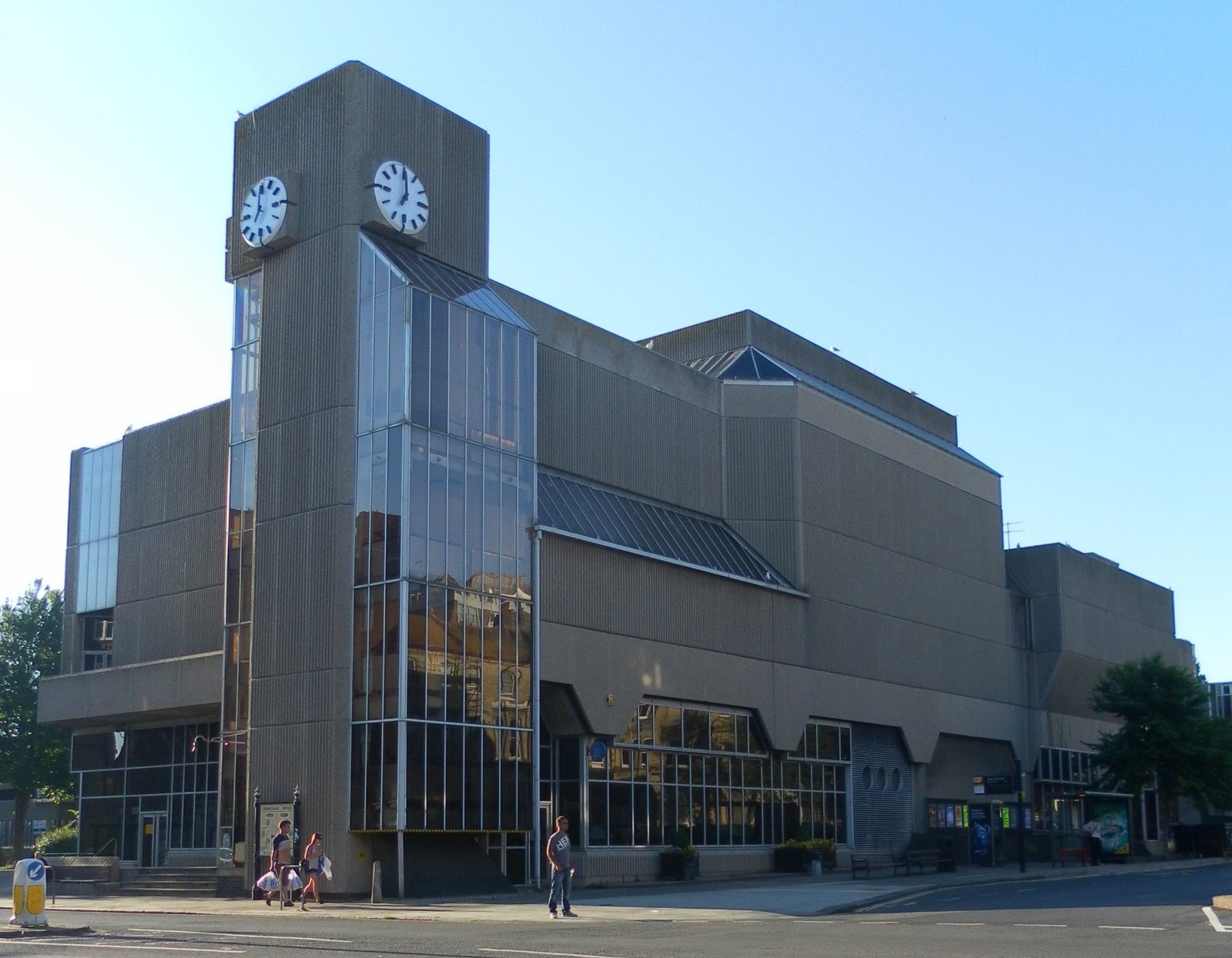
Featured image: Hove Town Hall, where the scrutiny committee is due to discuss the report. Photograph by Hassocks5489 via Wikimedia Commons, released under CC0 1.0. The photograph was taken in July 2012 and does not depict a school.

Leave a Reply