The TArGET Health tool, published by the World Health Organization on 10 November 2026, gives policymakers and other organisations a structured way to examine emerging health technologies before making governance decisions. The joint WHO and OECD publication is relevant to people developing, funding, buying or scrutinising new technology.
Last updated: 10 November 2026, 09:17 GMT. The publication and downloadable tool were available when checked this morning.
What the TArGET Health tool actually provides
The WHO publication page sets out a three-stage cycle: understand the particular technology case, assess it from different perspectives, then consider appropriate governance interventions. OECD’s separate launch page confirms the joint initiative.
The full tool makes that process more concrete. Its first stage asks users to define the issue and who might be affected. The second considers six dimensions, including uncertainty and gaps in oversight. The third presents ten broad governance options. It also provides decision points at which users can pause, revisit earlier work or leave the process.
This is intended to be revisited as a technology and its context change. Completing a form once is not the same as finishing the assessment for good.
Why the distinction matters to Sussex readers
The practical relevance is to research, procurement and public scrutiny. A Sussex organisation considering a new health technology could use this structure to make its questions clearer: what problem is being solved, whose interests are affected and what evidence is missing?
That is an example of possible use, not a claim that a local NHS body or university has adopted it. We have no verified Brighton or Sussex adoption announcement to report.
WHO explicitly says the tool does not evaluate clinical effectiveness or cost-effectiveness. It does not replace regulatory review, health technology assessment, legal obligations, risk management, ethics review or expert decision-making. Readers should not treat a developer’s use of this framework as a safety certificate.
Brighton Locals’ view
The useful advance is a public, inspectable framework for asking difficult questions early. Its limitation is equally clear: a well-documented discussion cannot supply missing evidence about a product. The strongest use would expose uncertainty and involve affected people; a completed worksheet presented as an endorsement would defeat that purpose.
What users should do
Start with the WHO publication page, which links to both the full tool and the editable user sheet. Read the introduction before attempting an assessment. The document recommends drawing on different forms of expertise and the perspectives of people who may be affected, rather than leaving the exercise solely to a technology’s developer.
For readers comparing announcements, our report on MHRA Innovation Passports examines a separate development-support process. Neither label should be substituted for evidence about a treatment’s performance.
What to watch next
Published examples of use would show whether the framework changes actual decisions, identifies overlooked risks or improves public involvement. Availability of a document alone cannot demonstrate those outcomes.
The significance: TArGET Health offers a way to organise the questions. The evidence still has to answer them.
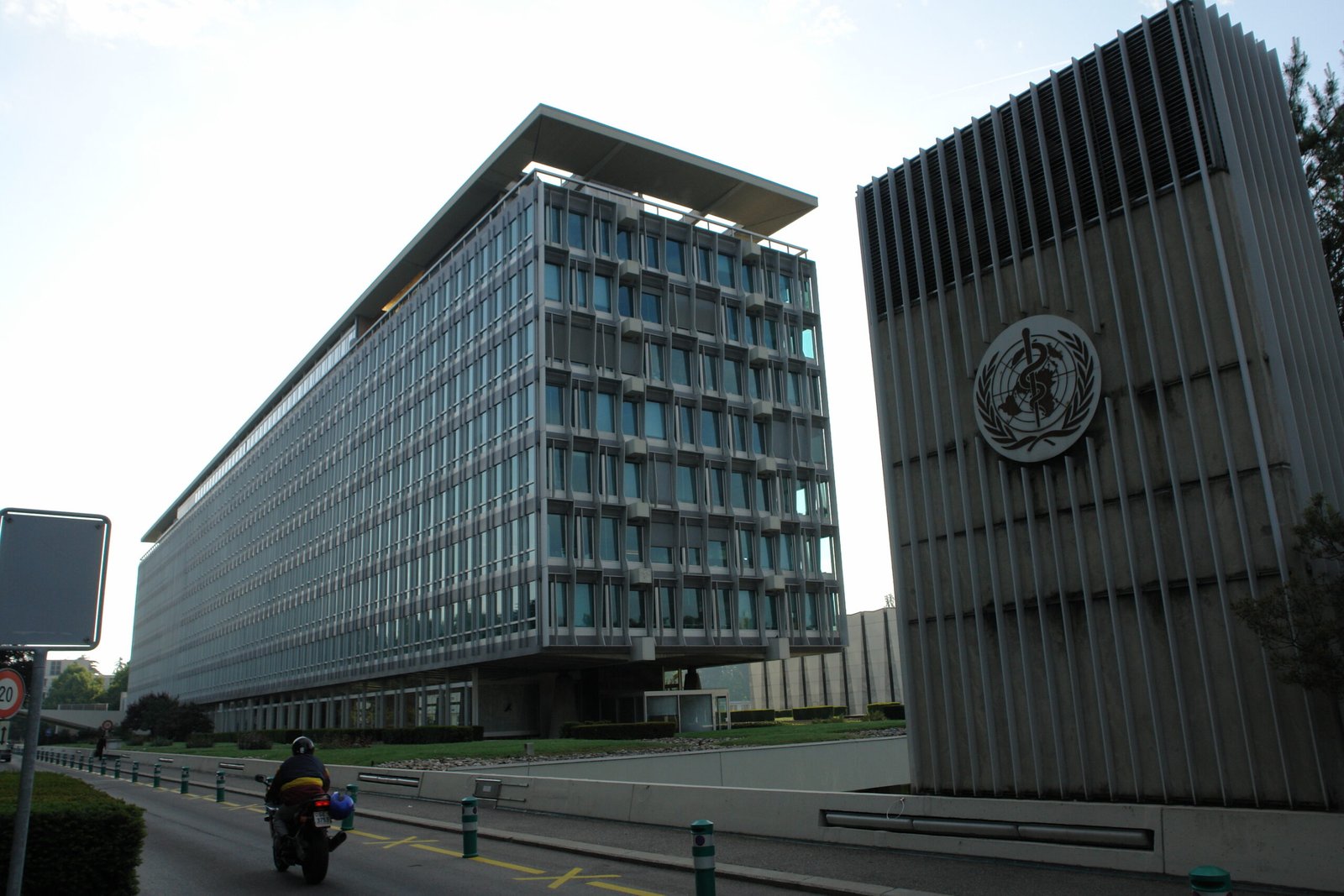
Featured image: WHO headquarters in Geneva, 21 May 2007. © Yann Forget / Wikimedia Commons, CC BY-SA 3.0. Resized archive photograph of the organisation.


Leave a Reply