Last updated: 14 October 2026, 5.46am BST.
The Ofgem time-of-use price cap review published on 12 October 2026 sets out three possible approaches to protecting customers whose electricity prices vary by time of day. Consumers, charities and industry can respond until 20 November. This is an open policy exercise, not a new tariff imposed on Brighton or Sussex households.
In short
- Ofgem opened a call for input on 12 October, with a 20 November 2026 deadline.
- The review concerns the methodology for time-of-use default-tariff protection.
- Three options range from simple time bands to supplier-designed tariffs assessed by the regulator.
- No new household rate or guaranteed saving is announced.
Ofgem time-of-use price cap: what changed
Ofgem’s announcement links the review to market-wide half-hourly settlement, which changes how suppliers’ electricity purchases are matched to customers’ usage. It expects more varied costs and tariffs as customers use technologies such as electric vehicles and heat pumps.
Its 34-page call-for-input paper explains why an average daily cap becomes harder to design when customers’ usage patterns diverge. A cheaper overnight offer and a household using most electricity at peak times need not cost a supplier the same amount to serve.
The three options, in plain English
- Simple time bands: set unit-rate limits for two or three periods of the day. This is comparatively straightforward, but does not capture every difference between customer groups.
- Different caps for different uses: develop demand profiles and cap variants, potentially for EV and heat-pump users. Deciding which household fits which group is a challenge.
- Assess individual tariff designs: suppliers construct suitable time-of-use defaults using half-hourly cost information, with Ofgem checking the assumptions and outcomes. This is the most complex option.
These are options for assessment, not three offers a householder can choose today. The regulator is seeking evidence to refine them; the paper does not give a final implementation date.
Why it matters in Brighton and Sussex
The central question is fairness, not whether everybody can run their home at midnight. A household that can schedule charging has different choices from someone whose essential electricity use cannot move. The policy needs to protect both without assuming that their flexibility is identical.
Citizens Advice’s September 2025 research found that choosing and monitoring these tariffs can demand more consumer engagement, and that comparison tools are important. That is earlier background evidence, not a new October 2026 survey or a claim about Brighton residents’ behaviour.
For this review, a useful household response would describe the electricity use you can shift, what you cannot shift, and what information you would need to compare offers. A concrete example is more informative than assuming everyone either benefits or loses.
What residents should do now
Before considering a tariff, read Citizens Advice’s tariff guide. It distinguishes fixed-time offers from dynamic rates and says to check the exact cheap hours and how rate changes are communicated. The terms of your current agreement, not this consultation’s headline, determine what you pay today.
- Ask your supplier to identify your tariff and provide its unit rates, standing charge and time bands.
- Compare the whole cost for your own usage pattern, including expensive periods, rather than only the lowest advertised rate.
- If responding to Ofgem, send evidence to priceprotectionpolicy@ofgem.gov.uk by 20 November 2026. The invitation explicitly includes consumers and charities.
- Do not schedule washing machines, tumble dryers or dishwashers while asleep to chase a cheaper rate. Citizens Advice’s appliance guidance warns of the fire risk.
This electricity-pricing review is separate from the heating-oil consumer-protection proposals reported earlier. Neither should be mistaken for an immediate change to every household contract.
Brighton Locals’ view
Updating protection alongside a changing electricity market is sensible. The test is whether innovation remains understandable and fair for people with limited flexibility. More tailored tariffs are not automatically better if households cannot compare them or are placed in an unsuitable default.
What to watch next
After the deadline, look for Ofgem’s assessment of responses, a preferred approach and the safeguards proposed for allocating and comparing tariffs. Clear evidence on household outcomes, rather than just supplier cost recovery, would strengthen the case for reform.
Bottom line
Ofgem is asking how protection should work as electricity prices become more time-sensitive. Your bill has not changed simply because the options have been published.
Featured image and source
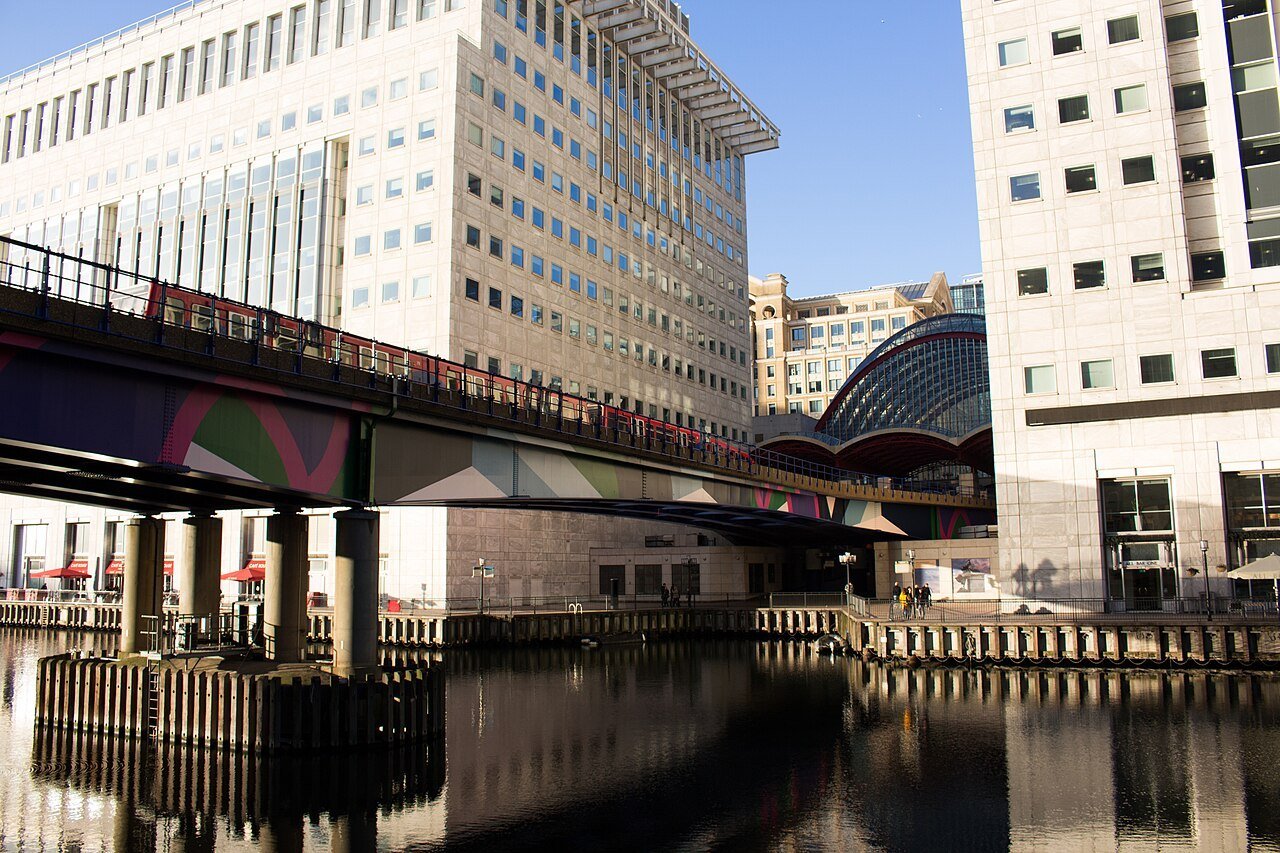
Archive: 10 South Colonnade and Canary Wharf DLR station, London, 1 March 2014. Photo: The wub / Wikimedia Commons, CC BY-SA 4.0. The photograph predates Ofgem’s occupancy; Ofgem lists this building as its London office. Display crops and resized versions retain the same licence.
.jpg)

Leave a Reply