Google Singapore healthcare AI plans announced on 29 October bring together a new Google Research hub, work to evaluate a clinical support tool and a population-health partnership. The significant qualification comes from Singapore’s health ministry: more active AI involvement in patient management is to begin in simulation before any progression towards real-world use.
Google Singapore healthcare AI: three different kinds of work
Google’s announcement, by its Singapore country managing director Ben King, describes a Google Research group of local scientists and software engineers. Its remit includes foundational models and collaboration with academic institutions, including the National University of Singapore and Nanyang Technological University.
The clinical strand concerns a tool intended to help doctors synthesise medical guidelines and literature and address clinical queries. The population-health strand, with NHG Health, uses predictive insights intended to identify risks and inform an AI health coach. Those are different tasks: research capability, support for professionals and guidance for residents should not be treated as one proven clinical product.
What the health ministry adds
In a separately published summit speech, senior minister of state Tan Kiat How describes the co-clinician initiative as exploring future participation in patient-management workflows under a physician’s oversight. He specifies simulation before progression to real-world use.
The ministry also frames the NHG collaboration as an exploration of whether earlier risk identification and personalised preventive guidance can help. Its test for deployment includes suitability for the particular workflow and population, followed by continuing scrutiny once a system is in use. This is a more cautious proposition than assuming a capable model automatically improves healthcare.
What is genuinely new?
Singapore’s Google AI partnership predates this week. Google DeepMind’s 20 May announcement already outlined national programmes and exploration of a co-clinician collaboration with public health clusters. It also referred to an existing DeepMind research lab.
Thursday’s announcement adds the named Google Research hub and more specific institutional collaborations. The earlier lab and the newly announced hub should not be collapsed into a claim that Google had no research presence in Singapore before this week.
Why this matters to readers in Brighton
This is an international technology development, not a change to a Brighton patient’s care. Its useful relevance here is the distinction it exposes: a model demonstration, a study in a health system and a service offered to patients are separate stages. Readers can apply that distinction when assessing future health-technology announcements closer to home.
Brighton Locals’ view
The move looks promising because it connects research to named health institutions and acknowledges an evaluation stage. Our judgement remains provisional. The next persuasive evidence would be published results showing which tasks improved, which failed and what happened when clinicians disagreed with the system. An impressive answer in a demonstration cannot settle those questions.
What to watch next — and what to check
Watch for the evaluation design, results, deployment boundaries and arrangements for reporting errors. For anyone assessing a future product announcement, ask who makes the final decision, what information the system can use and what happens when its output is wrong. Those are editorial questions prompted by this announcement, rather than claims that the partners have already published all those answers.
Bottom line: Singapore has announced a route towards testing healthcare AI. Its value will depend on the evidence produced along that route.
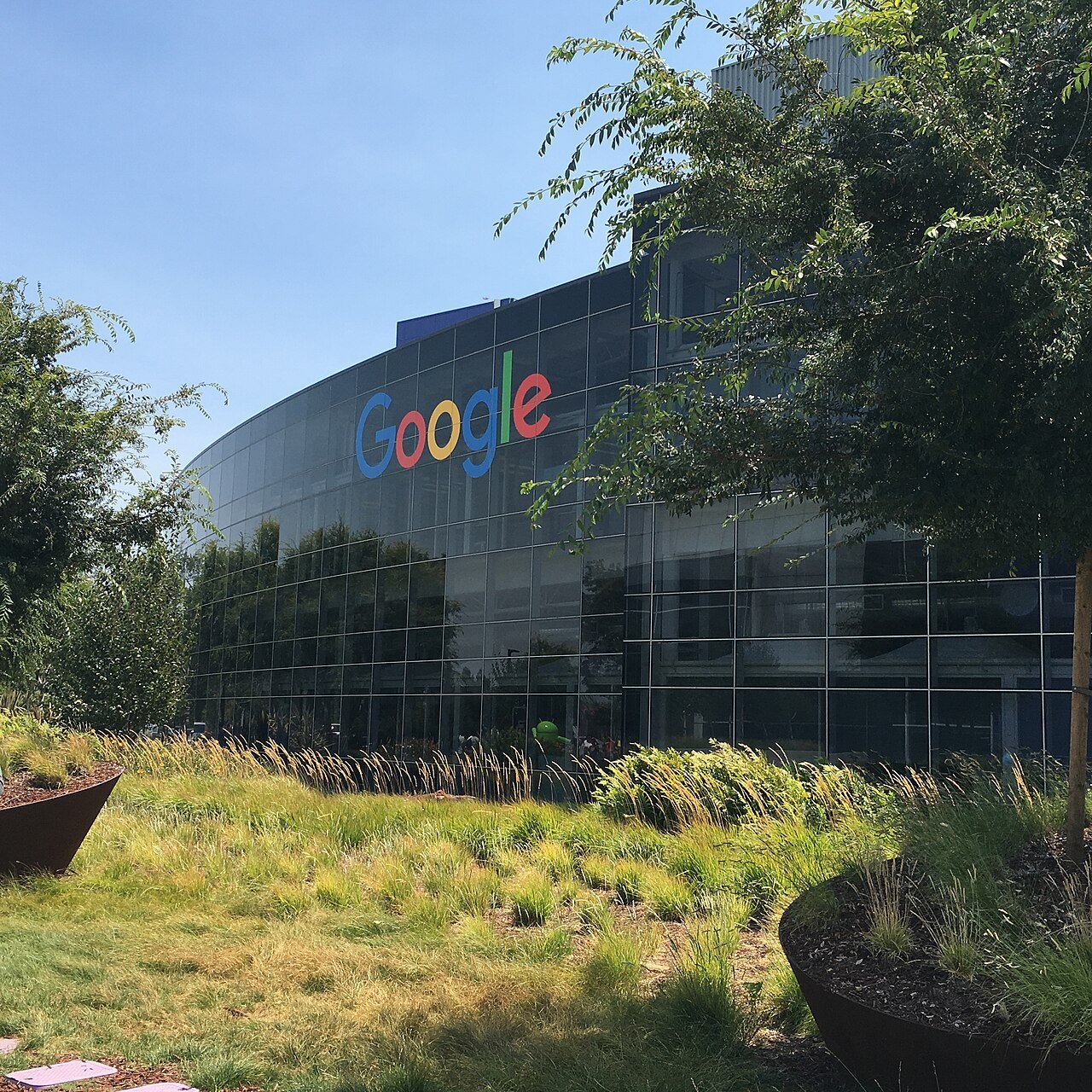
Featured image: Googleplex headquarters in California, 27 July 2016, by The Pancake of Heaven! / Wikimedia Commons, CC BY-SA 4.0. Archive photograph of Google’s headquarters, not the Singapore hub or a clinical deployment; display crops retain the same licence.


Leave a Reply