Last updated: 6 October 2026, 7:20am BST
In short
- Community campaigner Daniel Harris has proposed a £5 levy on Brighton Pride tickets to help protect LGBTQ+ venues.
- The idea followed the September closures of R-Bar and Charles Street Tap, but no levy has been agreed by Pride or the council.
- Pride Community Foundation says Brighton Pride already contributes a minimum of £2 per ticket to its independently governed community fund.
- The council says it has met venue operators and is considering wider measures covering safety, the public realm, promotion and licensing.
- The next meaningful test is whether those talks produce a published plan, funding amount and transparent eligibility rules.
A proposed £5 Brighton Pride ticket levy has put a fresh question before the city: should more of the money generated by its biggest annual LGBTQ+ event be earmarked to help permanent queer venues survive?
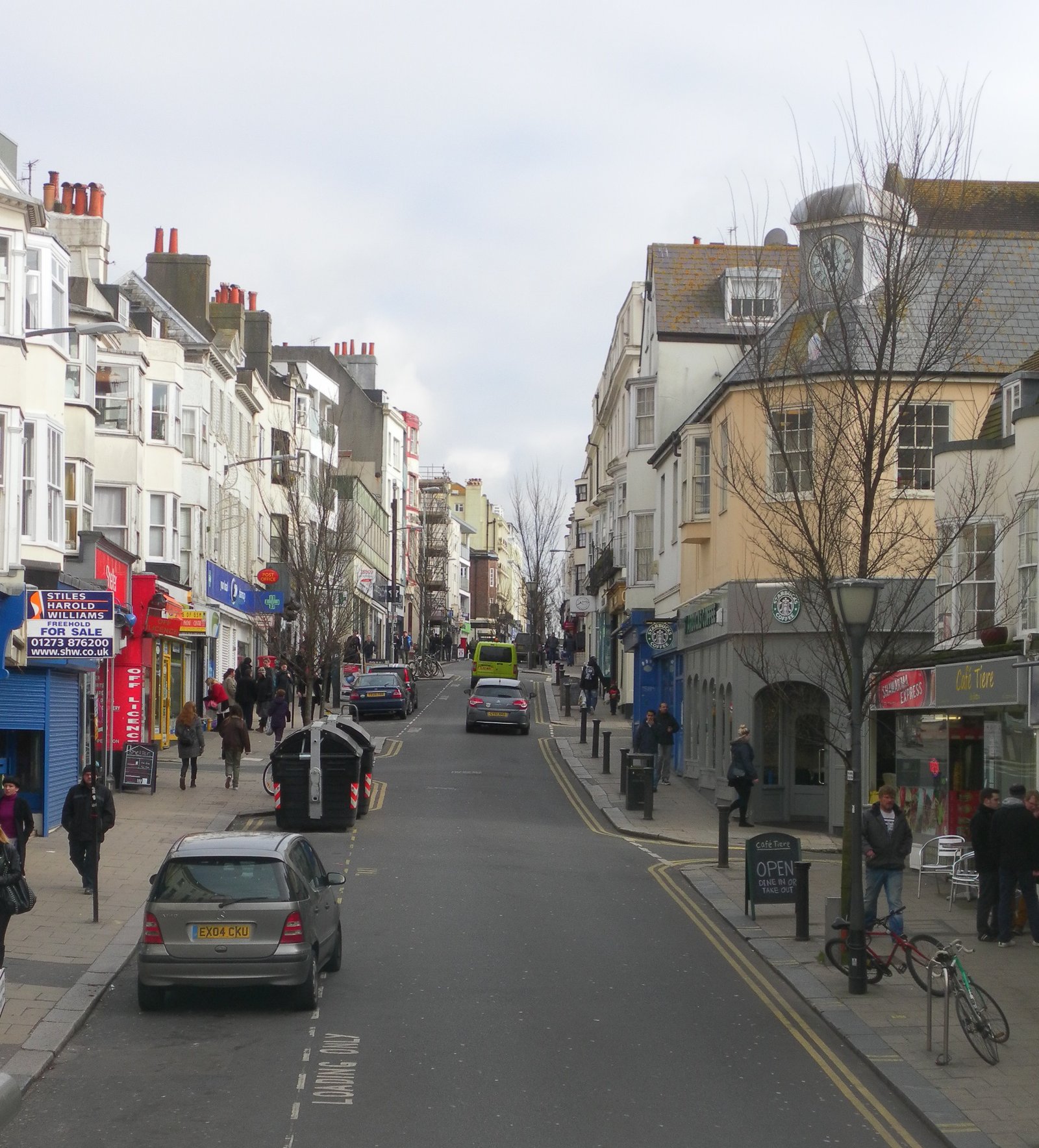
The proposal was made by community campaigner Daniel Harris at Brighton and Hove City Council’s meeting on Thursday 1 October. It comes after two long-standing St James’s Street venues, R-Bar and Charles Street Tap, closed in September.
There is no new charge in force. Brighton Pride has not announced a £5 levy, the council has not approved one and no support fund for commercial venues has yet been published.
What happened
Brighton and Hove News, reporting from the council meeting, said Harris asked councillors to open talks with Pride about adding about £5 to tickets, with the proceeds used to support LGBTQ+ venues.
Councillor David McGregor, the cabinet member for the economy, culture, heritage and tourism, replied that the council does not regulate Pride’s corporate ownership or governance. He said the authority had met LGBTQ+ venue operators and intended to help, but did not announce a levy, grant pot or timetable.
At the same meeting, former R-Bar managing director Steve Jones presented a five-point proposal. It called for year-round investment in the St James’s Street and Marine Parade area; better lighting, cleaning, CCTV and visible policing; 365-day promotion of Brighton’s LGBTQ+ offer; a licensing environment that supports responsible operators; and a longer-term nightlife strategy covering transport, safety and off-season demand.
What Brighton Pride already contributes
The £5 idea would not start from zero. The published partnership framework between Brighton Pride and Pride Community Foundation says Pride fundraising already includes a minimum of £2 per ticket.
The framework also says the two community interest companies are separately governed. Once transferred, donations belong to the foundation, whose independent Grants and Advisory Board decides how community money is distributed. Pride says it has raised more than £1.6 million for community causes over time.
That distinction matters. A new venue-support levy would need clear answers about whether it sits inside the existing fund, who qualifies, whether commercial businesses can apply, and how decisions and results are reported. None of those details has been settled.
Why the Brighton Pride ticket levy debate matters locally
R-Bar closed on 20 September after 21 years. Charles Street Tap also closed in September after 25 years, when its lease expired. Trade publication The Morning Advertiser reported that operators cited steep increases in rent, business rates, energy and stock costs, alongside weaker discretionary spending.
The loss is not only about two businesses. Permanent venues provide year-round meeting places, employment, nightlife and a visible sense of belonging that a weekend festival cannot replace.
The council’s 2026 licensing policy recognises the cultural and economic value of the night-time economy and sets enhanced inclusion expectations for licensed venues. That policy can shape applications, conditions and operating standards; it cannot by itself solve rent, rates, energy bills or quiet midweek trade.
Brighton Locals’ view
The £5 proposal raises a legitimate question, but the headline number is the easy part. A levy will only be credible if the city can show exactly who controls the money, which venues are eligible, what public benefit is expected and how awards are audited.
Direct help may buy time, but it will not fix the full problem on its own. Better late-night transport, safer streets, year-round promotion and a workable licensing environment are all part of whether venues remain viable outside Pride weekend.
Our assessment is therefore cautiously positive about opening the debate, but clear-eyed about the gap between a suggestion and a deliverable policy. The strongest next step would be a joint, published response from the council, Pride and the independent foundation rather than another informal promise.
What to watch next
The Pride Community Foundation says details of its 2026 annual grants programme are due this autumn. Readers should look for the total pot, eligibility criteria and whether any support is available to venues or only to charities and community organisations.
Separately, the council needs to turn the five-point venue plan into named actions, budgets and dates. Evidence of progress would include a published nightlife strategy, a defined LGBTQ+ quarter programme, safety investment and a transparent funding route. Until then, the £5 levy remains a proposal.
What residents and businesses should do
- Venue operators and community groups should monitor the foundation’s official grants page rather than rely on social-media claims about funding.
- Residents can support remaining LGBTQ+ venues throughout the year, particularly midweek and outside major event weekends.
- Anyone buying future Pride tickets should check official ticket pages for the published price and fundraising terms. Our related guide explains why unconfirmed Brighton Pride line-up claims should be treated cautiously.
- Businesses around St James’s Street should document specific problems with lighting, cleansing, transport or safety so any council plan can be measured against real conditions.
Bottom line
A £5 Brighton Pride ticket levy is now part of the local debate, not part of the ticket price. The closures that prompted it are real; the funding mechanism, governance and timetable are not yet agreed. Brighton should judge the idea by the transparent, year-round support it eventually delivers—not by the size of the suggested figure.

Leave a Reply