Last updated: 26 September 2026 at 5:24pm BST.
In short
- Coldean voters backed their neighbourhood plan by 374 votes to 43 in a referendum held on Thursday 24 September; the result was announced on Friday.
- The plan’s policies now have a role in decisions on planning applications within the defined Coldean neighbourhood area.
- It covers shared housing, green space, design, travel and the local environment. It does not ban every new house in multiple occupation (HMO).
- If a proposal near you is submitted, check the council’s planning register and comment on that specific application.
Coldean residents have voted to bring a neighbourhood plan into force, giving locally written policies a place in future planning decisions in this north-east Brighton neighbourhood. The 24 September referendum returned 374 “yes” votes and 43 “no” votes. Brighton and Hove News reported the result after its announcement at Hove Town Hall on Friday 25 September.
Coldean neighbourhood plan: what happened
The council’s referendum page is the official record of the poll. The result comfortably cleared the requirement for more than half of votes cast to be in favour. That is roughly nine in ten valid votes, although turnout was below one in five eligible voters. The strength of the yes vote and the limited turnout both matter when assessing the mandate.
The plan was prepared by the Coldean Neighbourhood Planning Forum. In its July decision report, Brighton & Hove City Council said an independent examiner had recommended modifications before the referendum and that the forum had agreed them. The report describes a plan running from 2021 to 2030, with 16 policies on housing and development, open spaces, traffic and travel, building design, the environment and community safety.
The neighbourhood area includes land within the South Downs National Park. The city council led the process on behalf of the National Park Authority, so both planning authorities have a part in the formal next step.
What changes for planning applications?
The council’s July report says that, following a successful referendum, the neighbourhood plan comes into force as part of the statutory development plan and is used alongside the city’s wider planning policies. That gives its local policies weight when relevant applications are decided. It does not mean residents can veto a proposal, or that every development in Coldean is stopped.
Shared houses are a particular local concern. The plan seeks to support a balanced mix of housing and manage HMOs, while also protecting green spaces and wildlife habitats. A future HMO application will still require an assessment of its own facts against the neighbourhood plan and the council’s existing HMO planning rules. Applicants and objectors alike should look at the actual policy wording and the site’s circumstances, rather than assuming the referendum settles an individual case.
The plan’s green-space policies also give residents a clearer basis for scrutinising proposals that affect places identified in the plan. The practical effect will depend on which site is involved, what development is proposed and how officers apply the policies. The Brighton Times has examined the referendum version’s HMO and local green-space provisions; the council’s published plan remains the document to cite in a planning representation.
Why it matters locally
Coldean sits between established family housing, student accommodation and the edge of the South Downs. Those uses can coexist, but decisions about house conversions, parking, open space and design are felt street by street. A neighbourhood plan makes local evidence and priorities more explicit within the planning process.
It is also a test of what years of volunteer work can deliver. The council records that the forum began preparing the plan in 2021, consulted residents, submitted a draft in 2025 and went through independent examination in 2026. A referendum victory gives that work legal relevance. Whether it changes the character of future decisions will only become clear as real applications are assessed.
Brighton Locals’ view
Our judgement: this is a meaningful gain in local influence, especially for residents who want precise policies to refer to when a planning application affects their street or green space. The best feature of the result is its practical force in planning decisions, rather than the size of the winning margin alone.
The low turnout is a reason for care. A strong majority among voters should not be described as unanimous support across Coldean. The fairest measure of success will be transparent decisions that explain how the new policies were applied, including when an application is approved despite objections.
What residents should do
- Check the boundary and policy wording: use the council’s Coldean neighbourhood plan page before relying on a policy. A nearby address may fall outside the designated area.
- Track a proposal: search the official planning register by address or application number. Open the plans and officer documents, and note the published comment deadline.
- Make a useful comment: identify the relevant policy and explain the specific effect of the proposal on that site. The council’s planning register guide explains how to view and comment on applications.
What to watch next
The council’s decision report says the plan must be formally “made” within eight weeks of the referendum; the South Downs National Park Authority must also formally make it for the land within its boundary. Watch for those adoption statements and, more importantly, the first planning decisions that expressly apply the new policies. Those decisions will show whether the plan changes outcomes or mainly strengthens the reasoning behind them.
Bottom line
Coldean’s vote has given its locally written plan a real place in planning decisions. Residents now have a specific document to use when a proposal affects their neighbourhood, but each application will still be judged on its merits.
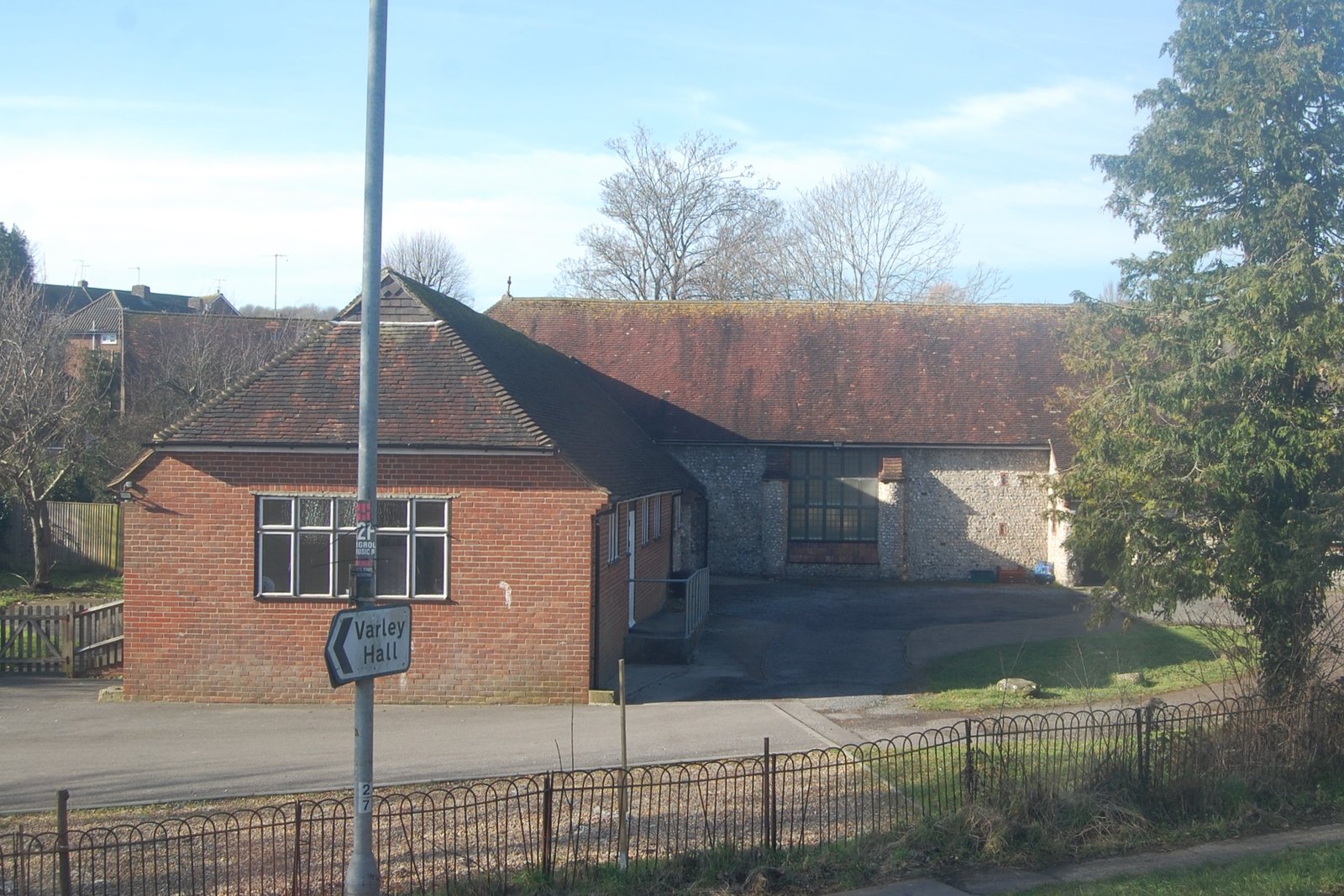
Featured photograph: St Mary Magdalene’s Church on Coldean Lane, with a sign for Varley Park student accommodation. Taken in February 2023 by Hassocks5489 / Wikimedia Commons, released under CC0. It shows the neighbourhood, not the referendum or a planning application.

Leave a Reply