Last updated: 26 November 2026, 18:12 GMT.
UK food tariff cuts took effect on Thursday 26 November, with duties suspended on more than 100 products including selected foods, fertilisers and kerosene heating oil. The Treasury says the changes could reduce consumer costs by up to £185 million annually, but that is an estimate across consumers, not a guaranteed saving for each household.
At a glance
- The new suspensions begin on 26 November 2026.
- The package covers 101 agri-food product lines as well as kerosene and specified fertilisers.
- Food and kerosene suspensions run until 31 December 2028; fertilisers until 31 December 2027.
- Removing an import tariff does not require a shop to cut its retail price by the same percentage.
UK food tariff cuts: what changes?
The Treasury’s 26 November announcement names products including baked beans, garlic, chocolate, jams and selected sweets. It also confirms lower import costs for kerosene and fertilisers. The scope is defined by product classifications, rather than every item sharing a broad supermarket label.
The supporting government consultation response, updated on 28 October, explains that suspensions reduce the applicable standard tariff to zero for a specified period. They do not remove other potentially applicable charges such as VAT or trade-remedy duties. It also records concerns about how much of a reduction would reach consumers.
Why lower tariffs do not mean an identical shelf-price cut
An import duty is one component of a product’s costs. Packaging, transport, processing, wages and retail costs do not disappear when a duty changes. This is why a tariff percentage cannot simply be applied to the price on a Brighton shelf to calculate a promised saving.
The government expects competition to encourage supermarkets to pass reductions through. That is an expectation about the market, rather than evidence that every retailer changed its prices today. The eventual effect needs to be assessed through comparable prices over time.
What Sussex households and businesses should do
Shoppers can compare unit prices for the same product and quantity, keeping the date of the comparison. A cheaper pack may also reflect a promotion or a smaller quantity, so a headline price alone will not establish the effect of the tariff change.
For households using heating oil, compare the complete delivered quote rather than subtracting a tariff percentage from an old bill. For businesses importing goods, use the official product list and applicable classification to establish coverage. This is a change to import duties, rather than a household grant application.
The consultation response also states that imports originating in Russia and Belarus are excluded from these suspensions. Businesses should check the official detail for their own consignment rather than assume every origin qualifies.
Brighton Locals’ view
Reducing an avoidable import cost can help, but the useful test is the price customers actually pay. The package should be judged against observed, comparable costs, with government forecasts clearly separated from achieved savings. Readers deserve that distinction when household budgets are tight.
What to watch next
Watch for evidence of price changes and the reviews before the suspensions expire. Our World & Trending coverage follows significant national developments; this report does not claim the tariff change appears in a Google Trends ranking.
Bottom line: the import-tax change is real; the amount reaching an individual shopping basket remains to be seen.
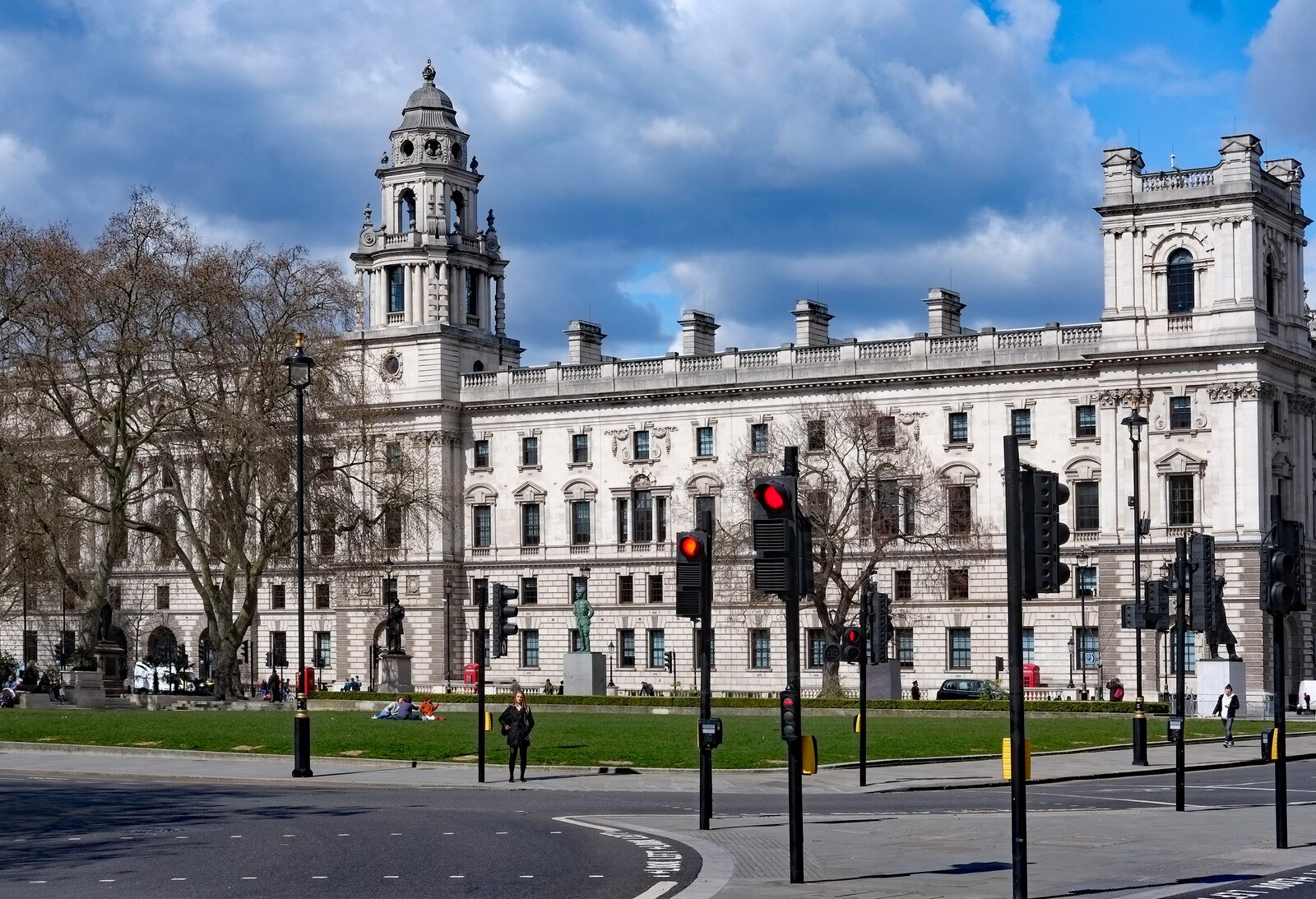
Archive: HM Treasury, Westminster, 9 April 2021. Jim Osley / Geograph / Wikimedia Commons, CC BY-SA 2.0. Resized; institution photograph, not today’s announcement.


Leave a Reply