Last updated: 24 November 2026, 18:14 GMT. Final review and initial government response published today.
The Timms PIP review has prompted government commitments to introduce a fast-track route for people with severe, well-evidenced conditions and reduce unnecessary award reviews where needs are unlikely to improve. The final report was published on Tuesday 24 November 2026, but its wider redesign proposals have not all been adopted or brought into operation.
For claimants in Brighton, Hove and elsewhere, the immediate distinction is between a commitment to change the system and a change to an individual award. Today’s publication is not, by itself, a revised decision on anyone’s claim.
What the Timms PIP review has changed today
The Department for Work and Pensions’ initial response commits to a fast-track route alongside the existing route for people nearing the end of life. It also backs reducing unnecessary reviews for lifelong, progressive or unlikely-to-improve conditions where there is clear evidence that needs will remain the same or worsen.
The announcement does not provide a start date for every claimant or a complete operational timetable. It would therefore be premature to tell someone that their next review has been cancelled or that a new fast-track claim can already be made.
What remains a proposal
The final report recommends a cash-first benefit and a more personalised assessment of barriers, needs and extra costs. It says taking up services should be voluntary and declining support should not affect entitlement. Its proposed cash award is not a mandatory voucher scheme.
It also recommends practical changes to the present system, including a clearer PIP2 form, improved recognition of fluctuating conditions and more accessible communications. These recommendations should be judged separately from the larger redesign: some concern how today’s process works, while others require further development and testing.
The report’s proposed digital profile is intended to reduce repeated information requests. The government’s published explainer makes clear that paper, telephone and face-to-face routes are recommended to remain. That is a proposed accessibility principle, not evidence that a new digital claims service has launched today.
What claimants should do now
Use the existing GOV.UK PIP guidance for current rules, applications and award reviews. PIP helps with extra living costs arising from a disability or long-term health condition and can be received while working; it is not limited to people out of work.
Continue dealing with forms, evidence requests and decisions according to the instructions sent for your case. Do not let a headline about fewer future reviews displace an actual deadline. If a letter is unclear, use the contact details on it to establish what is required rather than assuming the review announcement changes it.
For residents arranging help with an application, the implementation detail will matter as much as the policy headline. A simpler process would need to make clear who qualifies for a faster route, what evidence is accepted and how someone receives confirmation that their own review arrangements have changed.
Brighton Locals’ view
Reducing repeated reviews where evidence already establishes enduring needs appears a positive direction. Its value will depend on delivery: a commitment is useful only when the people affected can understand the rules and see them applied consistently.
The report’s emphasis on choice also deserves a practical test. Optional services should remain optional in the actual process, and digital convenience should not become an access barrier. These are editorial tests for the next proposals, not a claim that their outcomes are already known.
What happens next
DWP says it will consider the wider recommendations alongside the Milburn Review, respond in the coming weeks and publish a White Paper in the new year. Watch for implementation dates, the evidence rules for fast-tracking and clear instructions about which existing reviews are affected.
The central point for now is straightforward: two reforms have government backing; an individual claim still follows its current instructions until the claimant is told otherwise.
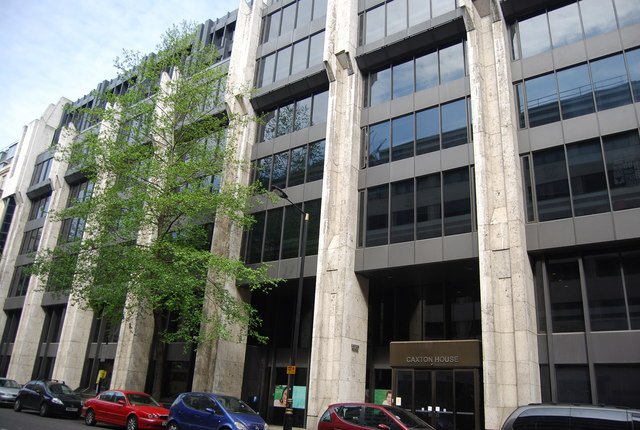
Image: Caxton House, Department for Work and Pensions offices, Westminster, London, 16 April 2011. N Chadwick / Geograph via Wikimedia Commons, CC BY-SA 2.0. Archive photograph; display crops retain the same licence.


Leave a Reply