Last updated: 17 October 2026, 23:41 BST.
The Royal Pavilion Gardens budget has been approved at £8.038 million following Brighton & Hove City Council’s Cabinet decision on 15 October. For people using the city-centre gardens, the important distinction is that permission to proceed is not confirmation that construction has begun.
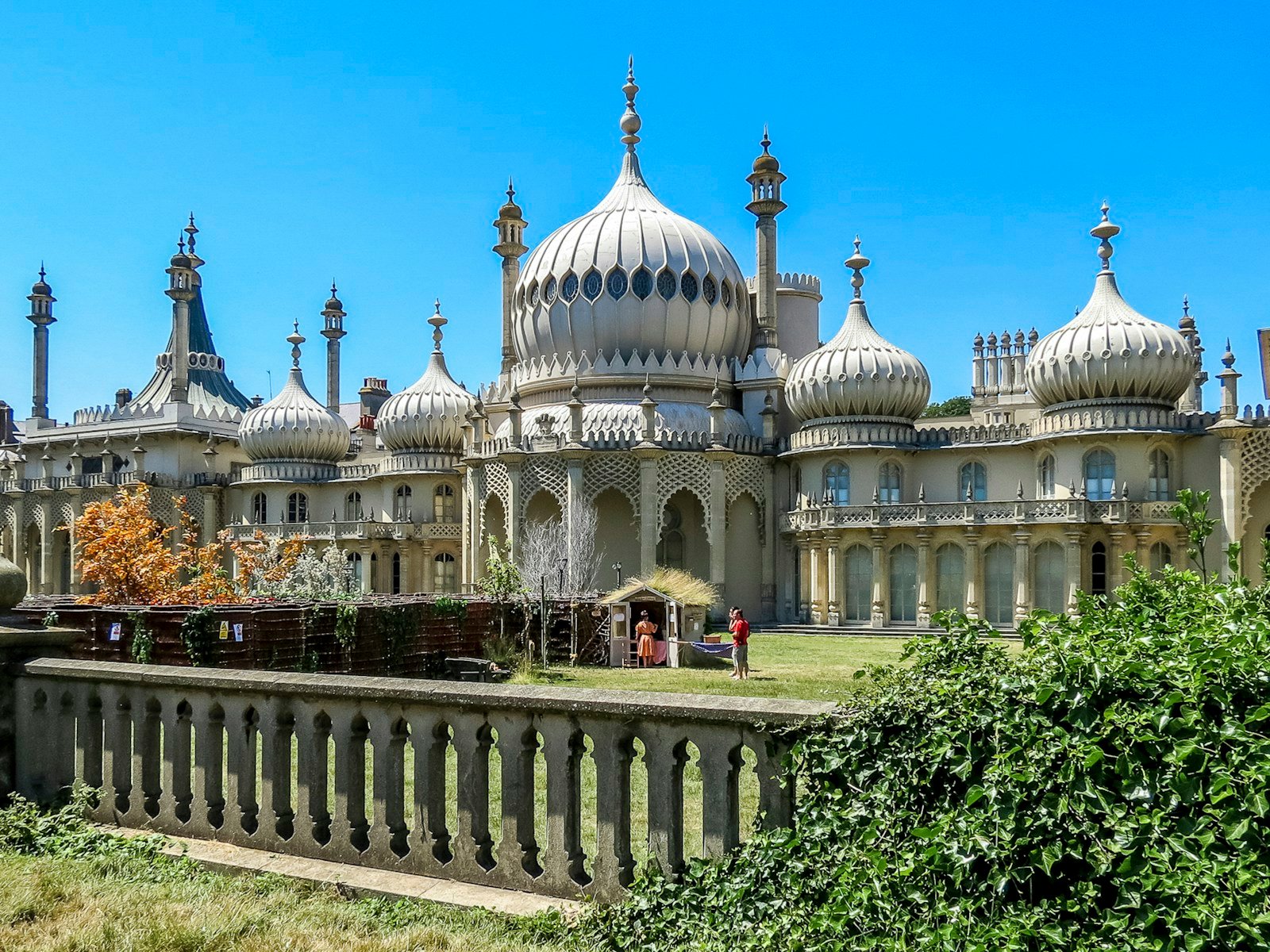
Featured photograph: the Royal Pavilion and garden planting in Brighton, before the restoration. It does not show current construction. Ray Harrington / Unsplash, Unsplash licence; resized, with display crops supplied by the site. Capture date not supplied.
In short
- Cabinet approved a £1.6 million increase to the project budget.
- 9 November 2026 is the estimated works start, not an unconditional opening of the site.
- The council’s existing direct contribution remains £750,000.
- Funding conditions, contracting and detailed public-access arrangements still matter.
Royal Pavilion Gardens budget: what actually changed
The formal decision record, published on 16 October, confirms approval rather than merely a recommendation in an agenda paper. It delegates authority to enter the main works contract, subject to approval of an additional £500,000 from Historic England.
The record gives 23 October as the call-in deadline and 24 October as the date the decision comes into force if not called in. Those procedural dates should not be confused with a contractor already having started on the ground.
Why this is more than a landscaping announcement
Brighton & Hove Museums’ project announcement describes restoration of the Regency layout and planting, better paths and entrances, improved interpretation, biodiversity work and changes to lighting and security. It also identifies community activity as part of the wider investment, not simply the construction bill.
For residents, the useful test will therefore be whether a protected historic space becomes easier to use as well as better maintained. A funding headline cannot answer how someone will cross the gardens during works, reach an entrance with a wheelchair or find a temporary route to nearby cultural buildings. Those practical details need their own clear public notices.
Sarah Booker-Lewis, the local democracy reporter at Brighton and Hove News, independently reported the Cabinet approval on 16 October. That report also explains the distinction between the council’s ownership and the trust’s management of the estate.
The funding and timetable caveats
The supporting council report estimates completion in November 2027. Its programme depends on funding, contract documents and mobilisation. It identifies £6.987 million as secured and £1.051 million still to secure in its funding table; those are the report’s figures, not a fresh claim about today’s bank balance.
The paper allows work packages to be omitted if fundraising falls short. It also explains that overspends beyond available contingency can create shared risk for the council and trust. “No additional direct contribution requested” should not be read as “no delivery risk”.
Brighton Locals’ view
Editorial judgement: Approval is a meaningful step forward, but the most useful next announcement would combine a confirmed start with an accessible phasing map and a plain-English account of what is fully funded. That would turn a capital-project milestone into information residents can actually plan around. We would judge the scheme more positively if those details protect everyday access while making the promised improvements measurable.
What residents need to know next
Use the linked decision record after the call-in deadline to check its status. Before a visit around the proposed start date, check the museums’ official project information for entrance or path notices. We have not verified a closure map, so this report does not invent a diversion or declare the whole garden shut.
The winter works also explain the separate 2026 Royal Pavilion ice-rink cancellation. This article adds the post-meeting budget decision; it is not another announcement of that cancellation.
Bottom line: Brighton has an approved restoration budget. A funded contract, a confirmed site start and usable access information are the next things to verify.

Leave a Reply