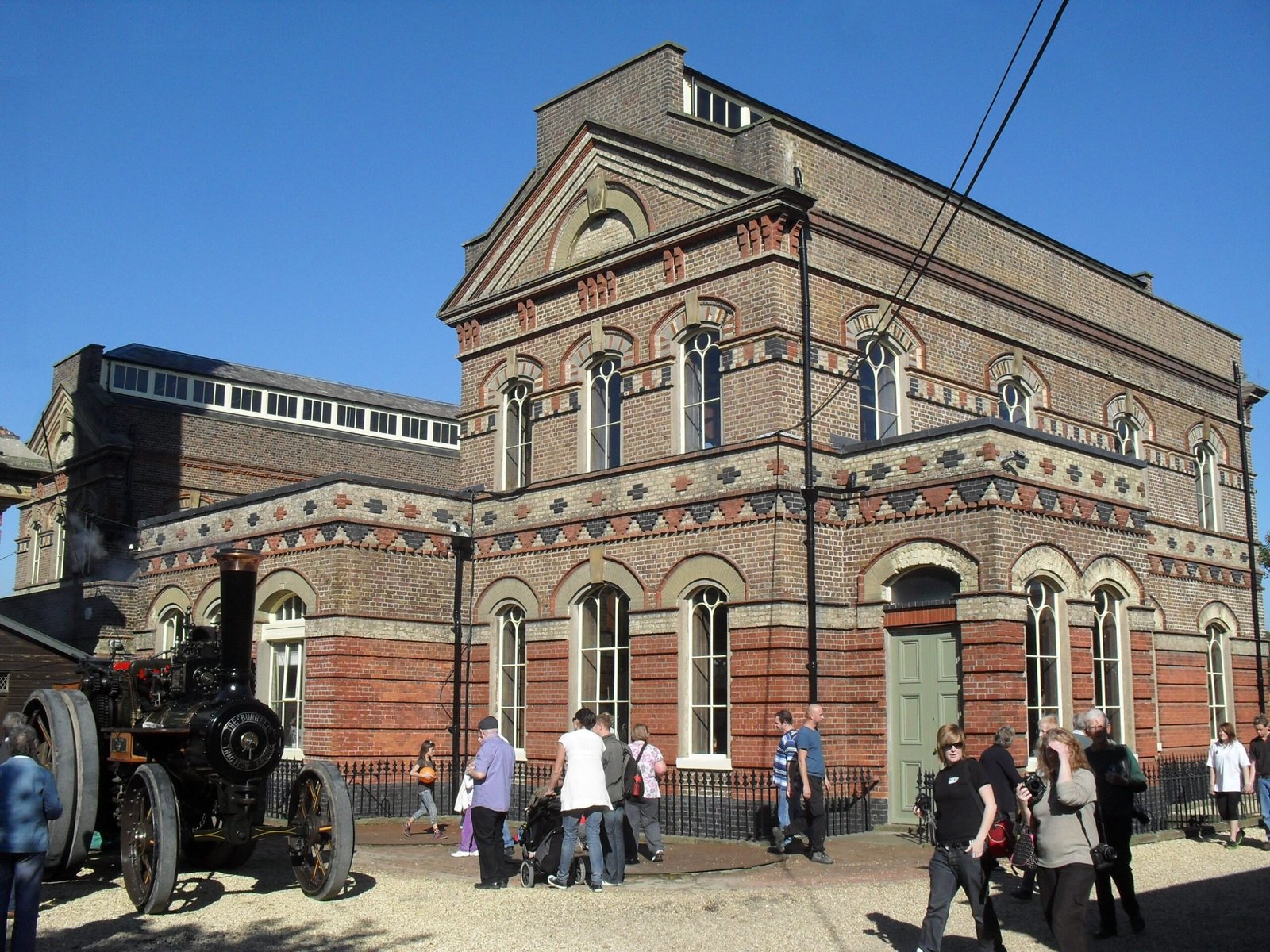
Featured image: British Engineerium, Hove, 10 October 2010. Hassocks5489 / Wikimedia Commons, released into the public domain by the photographer. Original archive version with overhead wires, not the 2026 fair. Resized for display.

Last updated: 14 November 2026, 18:10 GMT.
This British Engineerium Hove guide helps you plan two different visits to the same distinctive place: a makers fair and a museum tour. They can fit into one outing, but they have different admission arrangements. The important decision is which experience you actually want before booking anything.
At a glance
- The Grand Winter Makers Fair runs on 21–22 November 2026 at The Droveway, Hove, BN3 7QA.
- Fair entry is free; optional queue-jump tickets and museum tours are separate.
- The museum is not open every day as a general walk-in attraction.
- Check access for the part of the site you intend to visit.
British Engineerium Hove guide: start with the purpose of your visit
If your priority is browsing independent makers, use Paper Daisy Events’ current fair programme. The organiser advertises more than 120 makers, artists and food producers across the weekend. Opening is 10.30am–5pm, with last entry at 4.45pm.
Free fair admission does not include the museum. Queue-jump tickets start at £2 and also do not include museum access. There is no on-site parking for the fair; the mezzanine is reached by stairs, with an accessible toilet and baby changing on the ground floor. Dogs are not admitted. These practical limits matter more to a visit plan than a long list of stalls.
Think about the people coming with you. A group interested mainly in shopping may want a flexible arrival; someone whose priority is steam machinery needs a confirmed tour slot. Avoid booking one product on the assumption that it includes the other.
The museum is a scheduled experience
The Engineerium’s own museum page says it is not open every day. It describes small-group tours lasting approximately an hour, with separate Steam Up Tours offered on selected dates. That is a stronger basis for planning than assuming the building operates like a daily drop-in museum.
The venue links to its official Steam Up Tour booking page. Check the date, start time, price and availability shown there before paying. An advertised programme is not evidence that a particular slot still has places.
For access requirements, ask about the tour route itself, not simply whether the site has an accessible toilet. Those are different questions. The venue lists info@thebritishengineerium.com and 01273 555808 for enquiries. Its weekday office hours should not be read as museum opening hours.
Why this place belongs in Hove’s story
The venue’s history of the British Engineerium traces the site to Goldstone Pumping Station, opened in 1866 as a response to the growing area’s need for water. Engineer Thomas Hawksley selected the Goldstone Valley site after identifying the potential of the chalk beneath it.
The pumping station closed in 1971 as newer sources and equipment reduced the importance of its steam-era operation. Jonathan Minns helped rescue the site, and an industrial museum and education centre opened in 1976. It took the British Engineerium name in 1981.
That history provides a useful way to look at the buildings: this was infrastructure for ordinary daily life before it became a heritage destination. Its machinery was part of the system that made growth in Brighton and Hove possible. A tour can therefore be about the city’s development as well as the technology on display.
Leave room in the plan
Allow for the transition between browsing and a timed tour, especially if several people are visiting together. Keep the booking confirmation available and check instructions for where to meet. If combining the outing with another timed event, work backwards from that second commitment instead of assuming the whole visit can be compressed.
Discover Brighton also lists the fair for 21–22 November. For other local outings, browse our Blog & Guides rather than treating this as a complete winter programme.
Brighton Locals’ view
The appeal is the combination of a distinctive historic setting and a practical contemporary use. The trade-off is that the site is not one unrestricted, all-inclusive attraction. Clear separation of free fair entry, paid optional extras and the museum visit makes this a more realistic outing to plan.
Before you go: decide what you want to see, check the relevant admission route, confirm access and plan the journey. This is a sourced planning guide, not a first-hand review.

Leave a Reply