Details checked: 26 November 2026.
Brighton starling murmurations offer a winter reason to pause on the seafront between Palace Pier and the remains of West Pier. The useful way to plan a visit is around the birds’ evening return, with enough time to watch and enough flexibility to accept that a dramatic display may not happen.
At a glance
- The RSPB’s Brighton group recommends November to February, around dusk.
- The promenade between the two piers provides a place to watch.
- Allow time before sunset rather than arrive at one fixed clock time throughout winter.
- Displays vary; sometimes birds head straight into their roost beneath Palace Pier.
- This is a sourced planning guide, not a report of a flock observed today.
Brighton starling murmurations: start with the right stretch of seafront
The RSPB Brighton & District group’s local guide identifies the promenade between Palace Pier and West Pier as a viewing area. That is a useful starting point for visitors who might otherwise assume they must buy entry to an attraction or stand on the pier itself.
Choose a safe public viewing position where you can see the sky and pier structures without blocking the route for other people. A little space to look around is more useful than trying to hold one supposedly perfect spot. The flock’s shape and direction can change, so keep your view broad rather than watching only through a camera.
Time the visit around dusk, not a guaranteed performance
The local RSPB guide gives November to February as the season and advises watching around dusk. It also makes the important qualification that the display is never guaranteed. Birds may gather briefly, perform for longer or simply disappear beneath Palace Pier.
Its approximate clock-time advice should be read alongside the season: sunset changes between November and February. Check the date’s sunset and weather on the Met Office’s Hove forecast, and allow a comfortable margin before dusk. Turning up after the light has gone is a poor substitute for planning the afternoon around it.
Do not treat an old photograph, a large flock filmed elsewhere or a previous evening’s sighting as a promise for your visit. If seeing birds is the only reason for a long journey, build in another worthwhile local activity so a quiet evening does not make the entire trip unsuccessful.
What you are watching
The Natural History Museum’s explanation describes resident UK starlings being joined by birds arriving from mainland Europe in autumn. In flight, each bird responds to movements of its neighbours, helping changes in speed or direction spread through the flock.
Why the birds gather in these displays remains a subject of research. The museum presents protection from predators as a likely explanation supported by observational work, rather than treating every proposed purpose as settled fact. There is no need to invent a count of Brighton birds to appreciate the coordination.
Palace Pier’s own winter guide, published on 9 January 2026, also describes birds roosting in its substructure. It is useful local context, but promotional claims about the best viewing position should be distinguished from the RSPB’s broader promenade advice.
Make the outing work in practice
Check the forecast before leaving and dress for standing still near the sea, rather than only for the walk there. Keep hands free enough to move safely and put a phone away when negotiating steps or a busy path. In poor weather, a shorter visit or another day may be the better choice.
Watch without trying to move or flush the birds for a photograph. Leave room for walkers, wheelchair users and others using the promenade. If you choose to enter the pier or use a business, check its current access arrangements and opening information separately; a wildlife viewing plan should not depend on an assumed café opening time.
For an indoor addition, our Blog guides include other sourced local outings. Check the individual venue’s current admission and opening details before combining trips.
Brighton Locals’ view
This is a rewarding kind of local outing precisely because it asks for attention rather than a packed itinerary. The honest advice is to make room for uncertainty. A quiet evening is not evidence that a guide was wrong, and a spectacular archive photograph is not a booking guarantee.
Plan for the right place and light, keep the birds undisturbed, and let what happens determine the length of the visit.
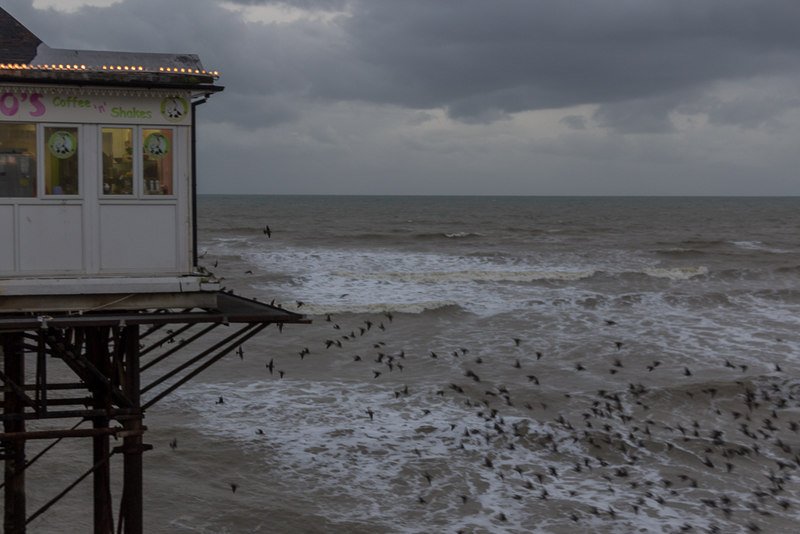
Archive photograph: starling murmuration beside Brighton Palace Pier, 3 November 2013. Christine Matthews / Geograph / Wikimedia Commons, CC BY-SA 2.0. Unaltered original; display crops may apply. Not a sighting from November 2026.


Leave a Reply