Last updated: 24 November 2026, 09:13 GMT. New representations process checked against the government’s 23 November publication.
Brighton council reorganisation has entered a further evidence stage, with residents, businesses and public bodies able to submit additional material until 23:59 on Monday 14 December 2026. The government opened the three-week window on 23 November. It has explicitly said that no final decision has been taken.
What Brighton council reorganisation would change
The Ministry of Housing, Communities and Local Government’s detailed notice sets out the provisional arrangement. Brighton and Hove would include its existing area plus East Saltdean and Telscombe Cliffs, Peacehaven West, Peacehaven East and Peacehaven North.
The proposed East Sussex council would cover Eastbourne, Hastings, Rother, Wealden and the remaining parts of Lewes district. These are proposed administrative arrangements, not boundaries that have already changed.
The distinction matters because an earlier July decision was withdrawn. The minister announced the replacement provisional position on 29 October, and the new representations process concerns the reasoning and conclusions behind that position.
One East Sussex’s update also confirms the new window. That partnership continues to advocate a single unitary council for East Sussex; its preference should be read as an interested council position, alongside the government’s decision documents.
Why it matters locally
Reorganisation concerns responsibility for public services, representation and the way councils are run. Brighton and Hove already operates as a unitary authority. In the rest of East Sussex, county and district or borough responsibilities are currently divided between different councils.
For people in the named coastal wards, the practical questions include how services would transfer, how residents would contact the responsible authority and how local priorities would be represented. The documents do not justify promising an immediate improvement in a particular service or a particular council-tax outcome.
A useful response can test the proposal against everyday geography. For example, a community organisation could explain where its users travel for services, while a business could identify an administrative dependency that needs a transition plan. Those are examples of relevant evidence, not claims that any particular problem has already been demonstrated.
What you should do
Start with the official notice and its linked provisional decision letter. Use the online survey linked under “How to respond”, or email lgrcallforevidence@communities.gov.uk. The notice also provides a postal route.
For email or postal responses, include your name, whether your home or organisation is in East Sussex, Brighton and Hove or elsewhere, and whether you are replying personally or officially for an organisation. Follow the department’s full instructions and privacy notice.
Do not simply resend an earlier submission: the government says previous material remains available. Identify it and explain its relevance if your new argument relies on it. Additional evidence should address the provisional conclusions, rather than assume this is a fresh vote between every earlier option.
Brighton Locals’ view
Editorial judgement: a further evidence stage is useful only if the final explanation shows how material concerns were considered. The test is a credible account of service continuity, costs and local accountability. A new council name or boundary cannot establish those benefits on its own.
What happens next
After the 14 December deadline, ministers will consider the responses alongside earlier evidence. Implementation would require Parliamentary approval of a Structural Changes Order. The government currently expects any new authorities to assume full roles from April 2029, with transition in 2028–29; that is conditional, not a confirmed changeover already under way.
For a separate local decision, our updated school-places report explains why approval to consult is different from final approval of a proposal.
The significance: the current opportunity is to improve the evidence before a final decision—not to treat the provisional map as settled.
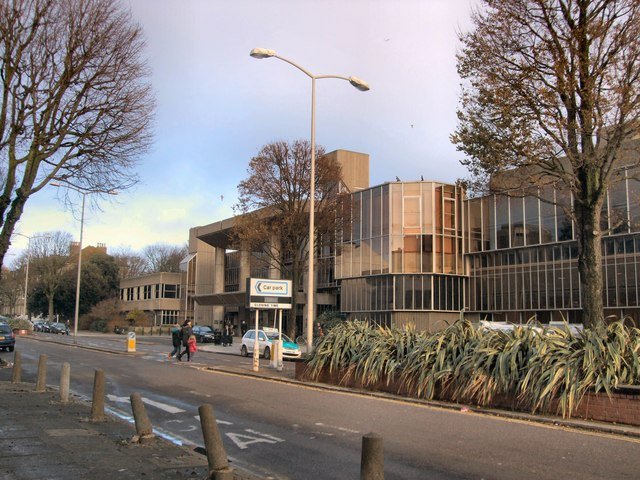
Archive: Hove Town Hall, Norton Road, 5 December 2010. Brighton & Hove City Council headquarters, not a photograph of the new process. Paul Gillett / Geograph, CC BY-SA 2.0. Resized; display crops may apply.

Leave a Reply