Last updated: 26 November 2026, 09:21 GMT.
The Brighton climate outlook sits within a changing southern England pattern: fewer winter air-frost days and more hot summer days, according to new Met Office analysis published on Thursday 26 November. For residents, the useful message is to plan for changing seasonal risks while continuing to check local forecasts for the weather actually approaching.
At a glance
- Southern England averaged 33.2 winter air-frost days in 1961–1990 and 22.8 in 2016–2025.
- A 2°C global-warming scenario projects a regional average of 20.3.
- Summer days reaching 25°C averaged 8.0, then 16.8; the same warming scenario gives 26.3.
- These are regional climate averages, not a forecast for Brighton this winter.
Brighton climate outlook: reading the figures correctly
The Met Office’s original analysis and tables combine HadUK-Grid observations with UKCP Local projections at one-kilometre resolution. Results are calculated for grid squares and averaged over defined areas. Southern England is the relevant broad regional comparison here; its figures are not a count for a Brighton weather station.
The 2°C column describes a global-warming level, not a named year or a prediction for the next winter. Nor does an average of 20.3 frost days mean every place would experience precisely 20 days. A regional mean can include substantial local variation.
The Met Office’s HadUK-Grid explanation describes how observations are used to estimate conditions across the country, accounting for influences including terrain and proximity to the coast. It also explains why an area average should not be mistaken for identical conditions everywhere.
Secondary reporting: Sky News also reports the new analysis. We have used the Met Office’s original tables for the regional values and comparison periods.
Why this matters locally
For Brighton and Sussex, the planning question is broader than whether a particular morning will be frosty. Building comfort, outdoor work, gardens and public spaces need to cope with both lingering cold-weather hazards and a greater frequency of warm conditions. That is an editorial inference from the direction of change, not a cost estimate or a new local warning.
A long-term decline in frost does not make grit, winter clothing or a check of the forecast redundant. Climate averages describe the background; an individual cold spell can still disrupt a journey.
Brighton Locals’ view
The useful response is to prepare for both seasons. These figures support taking summer heat seriously without treating winter hazards as finished. Local plans become more credible when they identify the conditions they must withstand and explain which evidence is regional, which is local and which remains uncertain.
What you should do and what to watch next
For a journey or outdoor activity, use the Met Office’s Hove forecast and its linked warnings, checking the issue time and place. Use the climate tables for longer-term questions rather than substituting them for tomorrow’s forecast.
The analysis accompanies the start of a new BBC–Met Office weather partnership today. The important next test for readers is whether climate context is communicated alongside clear, current local forecasts. Our Weather section keeps forecast and weather-explainer coverage together.
Bottom line: fewer frosts on average does not remove winter risk; more hot days strengthen the case for preparing for summer too.
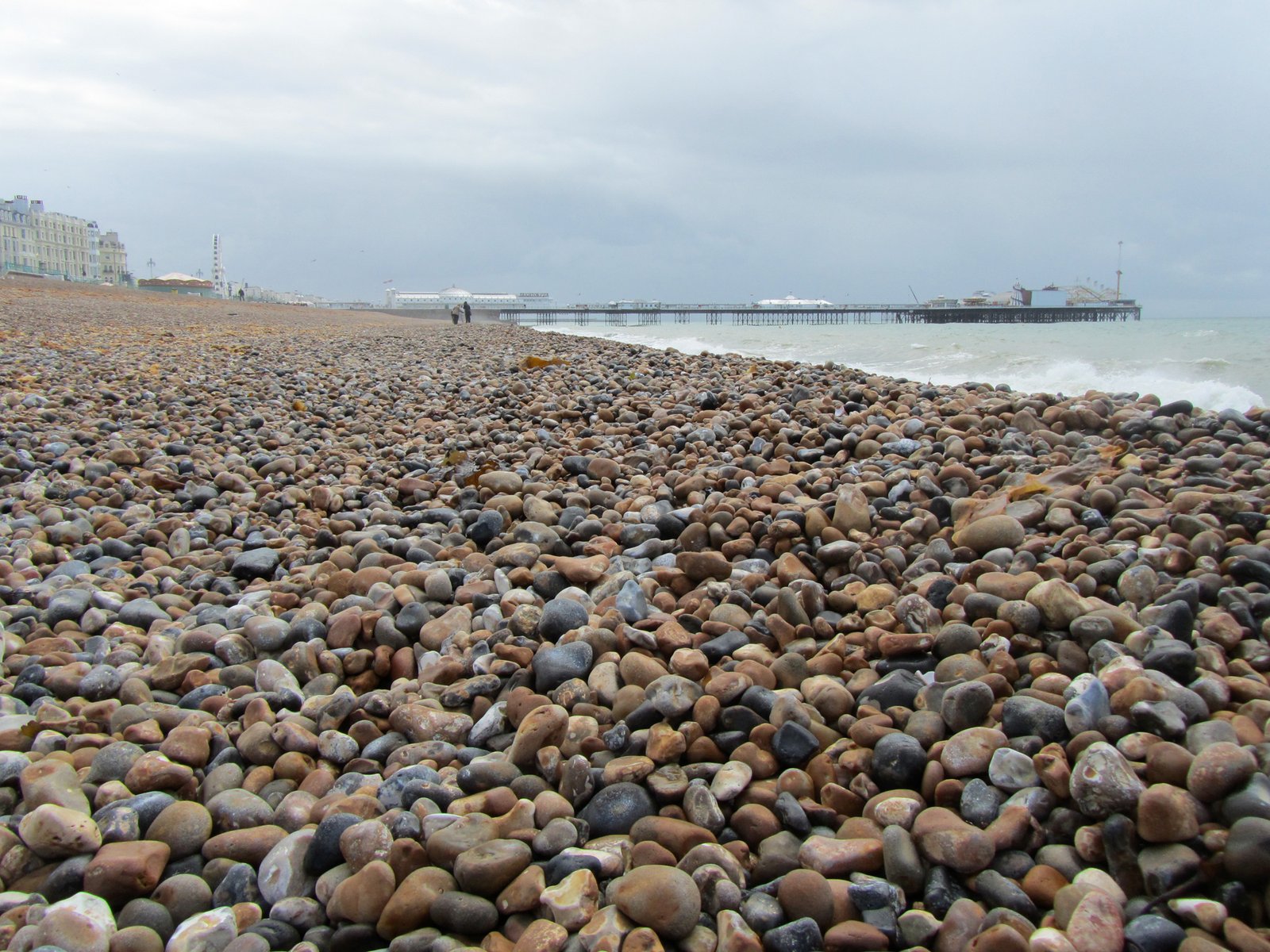
Archive: Brighton beach looking towards Palace Pier, 2012. Jvhertum / Wikimedia Commons, CC BY-SA 3.0. Resized. This photograph illustrates the Brighton setting, not today’s conditions or a future climate scenario.


Leave a Reply