Last updated: 24 October 2026, 18:12 BST.
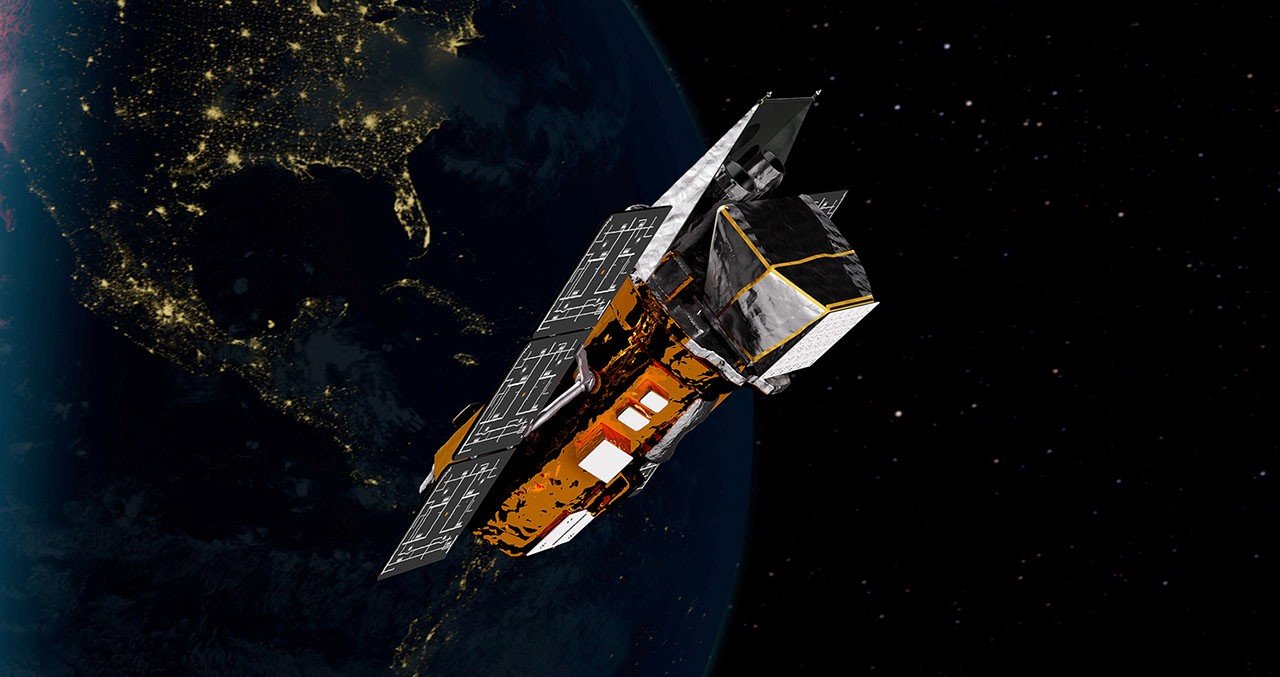
NASA’s Swift mission ends with its final observation on 20 October 2026, the agency confirmed in an announcement on 23 October. The Neil Gehrels Swift Observatory is expected to re-enter the atmosphere in the next few weeks; NASA has not given an exact re-entry time in the updates checked for this report.
Why the NASA Swift mission ends now
The mission operations update says solar activity increased atmospheric drag. After a proposed boost mission ended without an attempt in August, Swift resumed observations, but its orbit continued to fall. The spacecraft entered safe mode on 20 October and the team sent the command ending operations.
This is an engineering limit on maintaining a stable observing platform. It should not be confused with a claim that the telescopes had run out of interesting targets.
The technology that made Swift useful
NASA’s full mission assessment describes a rapid-response system: detect a gamma-ray burst, locate it, notify other observatories and turn telescopes towards the fading afterglow. That process typically took about a minute. Launched on 20 November 2004, Swift combined optical/ultraviolet and X-ray observations.
NASA credits it with observing more than 2,000 gamma-ray bursts and contributing data to about 7,000 scientific papers. These are the agency’s mission totals, rather than a fresh independent audit of every result.
Why an ended mission still matters
The lasting asset is a record of observations that researchers can examine again. Losing new measurements does not erase earlier ones. For students and readers following space technology, this is a useful distinction between the life of hardware and the life of the evidence it collects.
Brighton Locals’ view
Swift demonstrates the value of designing instruments, communications and spacecraft movement around one scientific task. Its end also shows that successful technology still operates within physical constraints. The legacy deserves assessment through the quality and reuse of its observations.
What to watch next
Use the official Swift updates for re-entry information. An expectation covering several weeks is not a precise prediction for a particular place or night. We will not infer a UK viewing opportunity or an impact location from that broad window.
The immediate loss is future observations. The longer scientific value remains in what Swift has already recorded.
Artist’s concept, not a photograph: NASA’s Goddard Space Flight Center Conceptual Image Lab, via the official mission report. Reused under NASA media guidelines. Resized.

Leave a Reply