Last updated: 24 October 2026, 09:08 BST.
A PNNL autonomous laboratory planned for Richland, Washington, will connect more than 100 automated instruments to study microbes, with access for researchers targeted for 2029. Pacific Northwest National Laboratory set out the project in a release on 22 October, following a groundbreaking ceremony on 20 October 2026.
What the PNNL autonomous laboratory will do
The PNNL announcement describes the Microbial Molecular Phenotyping Capability, or M2PC, as a way to link biological experiments with automation and computing. Industry partner Ginkgo Bioworks will supply its connected instruments.
“Phenotyping” means measuring observable characteristics. Here the aim is to measure how microbes grow and behave under controlled conditions, then connect those characteristics to molecular processes inside cells. That is a more specific task than simply putting a chatbot into a laboratory.
EMSL’s project page lists automated culture and sample preparation, controlled-condition measurement, and analysis linking traits to molecular pathways. It says the approach should shorten experimental timescales. That is the facility’s stated aim, not an independently established performance result for a laboratory that has yet to open.
Why it matters beyond the building
The interesting technology is the connection between steps. Growing a sample faster does not by itself finish a scientific investigation. Measurements must be comparable, the software must transfer information correctly, and the result must support a useful next experiment.
Our assessment is that the strongest evidence of success will therefore involve complete experimental workflows and reproducible findings, rather than the number of robots installed. The announcement establishes an investment and a design direction; it cannot yet establish the eventual discovery rate.
R&D World’s 23 October coverage also reports the construction and planned 2029 access. Its report is useful secondary context, rather than independent validation of the future facility’s output.
What UK researchers can check now
The existing EMSL proposal guidance says researchers from any institution can apply and do not need to be US citizens. It also says requirements differ between calls and selected work must fit EMSL’s mission and capabilities. That general guidance is not a confirmed M2PC booking window.
Researchers in Brighton or elsewhere in the UK should read the relevant call, check institutional agreements and discuss fit with EMSL before committing resources. The published contact for proposal questions is emsl@pnnl.gov. No local university partnership is established by these announcements.
Brighton Locals’ view
Connecting experiments and analysis is a substantive use of automation. The project deserves attention because it aims to make specialist infrastructure available through a research programme. Claims about dramatically faster discovery should be judged against published methods, repeatability and delivered access once the facility is working.
What happens next
Watch construction progress, commissioning evidence and the eventual M2PC proposal calls. A planned 2029 opening is a milestone to monitor, not a service available today.
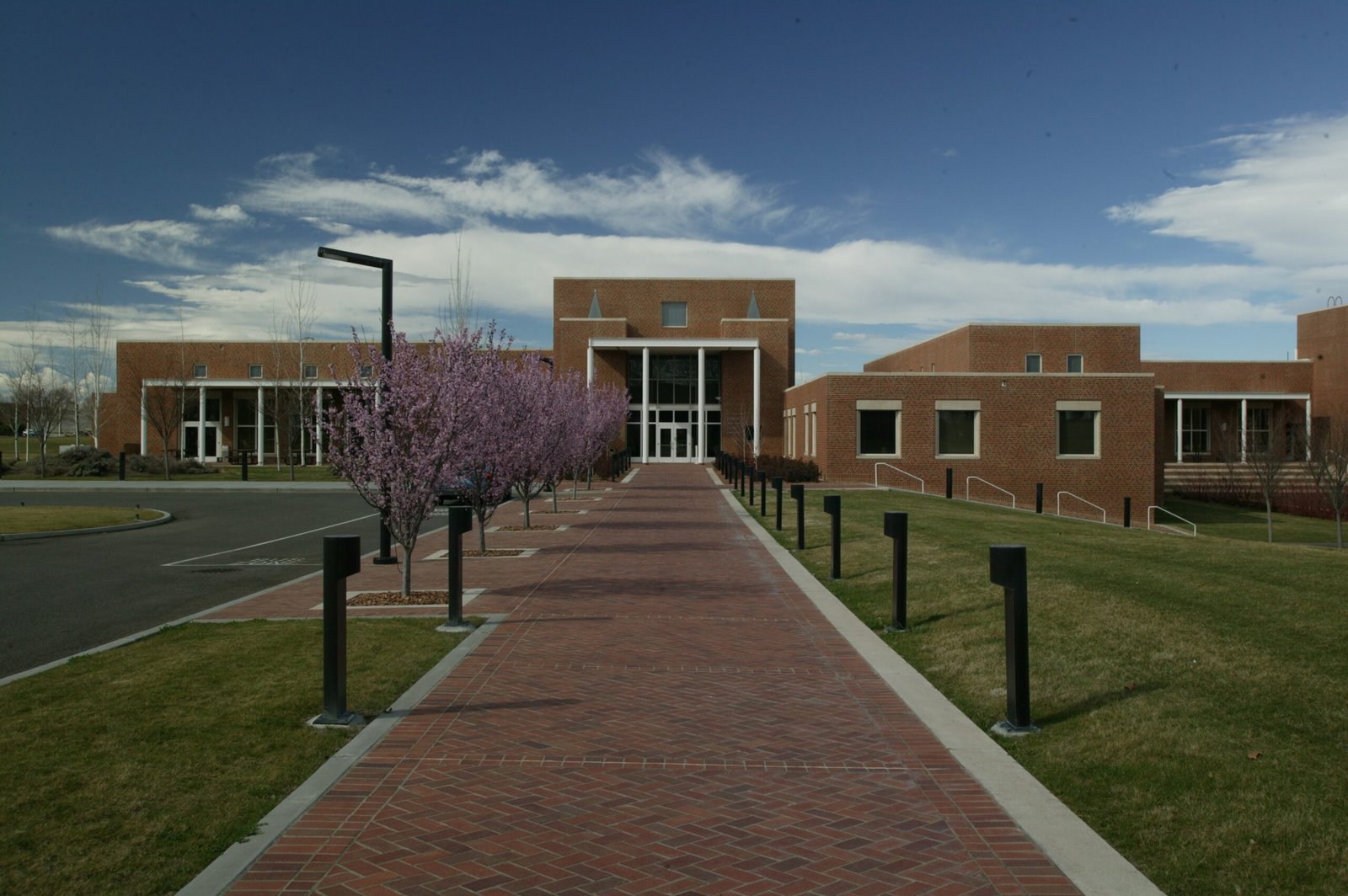
Archive: EMSL at PNNL, Richland, 23 August 2013. US Department of Energy / Wikimedia Commons, public domain. Resized. This shows the existing laboratory, not the planned M2PC extension.


Leave a Reply