The Brighton council advertising plan goes before Cabinet at 10.30am on Thursday 15 October 2026 at Hove Town Hall, with proposed gambling and tobacco prohibitions and a trial at three to five council-controlled sites. For residents and local businesses, the important distinction is where the rules would apply: this is not a proposed citywide ban on advertising on private property.
Last updated: 14 October 2026, 04:35 BST. Sources checked during preparation.
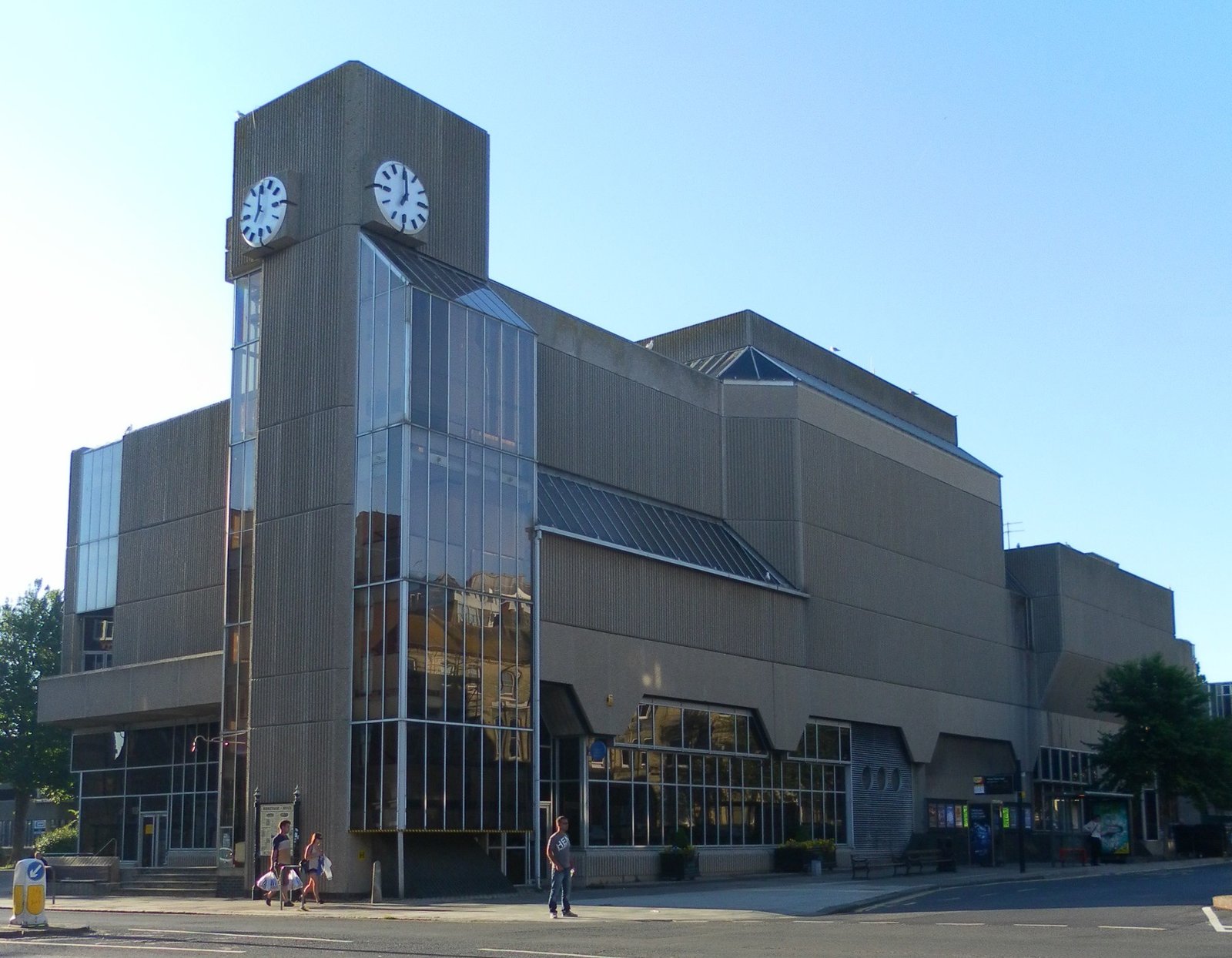
Archive: Hove Town Hall, Norton Road, 24 July 2012. Photo: Hassocks5489 / Wikimedia Commons, CC0 1.0. This shows the meeting venue, not a proposed advertising site. WordPress supplies resized versions.
.JPG)
In short
- Cabinet is being asked to approve a council-wide advertising and sponsorship framework, not a completed set of installations.
- An initial wraps, banners and hoardings pilot is proposed before the end of 2026.
- Private assets and existing contractual rights are not automatically brought under the new rules.
- The papers propose controls on harmful products alongside checks on accessibility, public benefit and conflicts of interest.
Brighton council advertising plan: what is being decided?
The Cabinet report asks members to adopt the policy, note the pilot and agree membership of the Coalition to End Gambling Ads. The meeting agenda lists it as item 57. These are recommendations awaiting a decision, not evidence that Cabinet has already approved them.
The report envisages coordinated opportunities across council assets rather than separate service-by-service arrangements. It does not guarantee income, name a final set of pilot locations or provide a publicly bookable package of advertising slots. Any later commercial offer would need its own details.
Which advertising would be restricted?
The draft policy prohibits categories including gambling, tobacco and emerging nicotine products, weapons, exploitative finance and companies involved in fossil-fuel production, subject to its stated definitions and exceptions. Alcohol and non-exploitative financial services would be considered case by case.
Food rules are product-based: they restrict products classified as high in fat, salt or sugar, rather than automatically excluding every advert from a particular food brand. A compliant product still has to pass the wider policy checks. The distinction matters to local hospitality businesses considering whether an offer could qualify.
What would not change overnight?
The policy excludes property fully leased to third parties unless otherwise agreed, and advertising covered by existing concession contracts until renewal or variation. Bus-shelter advertising is given as an example. A new council policy would not itself rewrite those contracts or determine a separate planning, licensing or highways decision.
CEGA’s December 2025 account of other councils’ action makes the same wider distinction between spaces councils control and private advertising. It is useful context, not evidence that Brighton has already joined the coalition.
Why residents should look beyond the advert’s content
The equality impact assessment identifies possible barriers from flashing screens, excessive brightness or sound, street clutter and inaccessible information. It proposes accessible formats, obstruction-free layouts, non-digital alternatives where appropriate and specialist review of material risks.
The assessment also sets out a central decision and complaints log, to be reviewed at least quarterly during the first year. That offers a practical way to test the policy after adoption: not just whether an advert passes a category rule, but whether its actual placement works for the people using the space.
Brighton Locals’ view
Our judgement is that a small, accountable pilot is a sensible way to test this trade-off. Advertising could generate useful income, but the public realm is not simply spare commercial inventory. Success should mean measurable net income after costs, accessible installations and effective responses to complaints, rather than income projections alone.
What residents and businesses should do
Read item 57 and its appendices before assuming the policy covers a particular site. Businesses seeking clarification can use the draft’s contact, news@brighton-hove.gov.uk, while making clear that this is a pre-decision enquiry, not an application under an approved scheme. Residents assessing a later installation should record its precise location and the access or content issue involved.
What to watch next
The first checkpoint is the published decision from 15 October. If approved, watch for the pilot’s named sites, commercial terms, operating costs and reported results. The council’s wider budget pressures explain the income interest, but do not establish that every advertising proposal would be worthwhile.
Bottom line
This is a proposal to manage advertising on council assets more consistently. The test is whether its safeguards and real-world results justify using public space commercially.

Leave a Reply