The UK government announced new AI security measures on Monday 12 October, combining AI-assisted checks on public-sector systems with preparations for incidents involving autonomous software agents.
At a glance
- Ministers say two pilots helped identify and address more than 1,000 potential vulnerabilities.
- The AI Security Institute is evaluating advanced models.
- Further reporting requirements are being considered, rather than announced as completed law.
What changed today?
The government announcement sets out plans to extend the use of frontier AI in cyber defence and develop responses to serious incidents involving AI agents. These systems can carry out tasks with relatively little human supervision.
Ministers will examine how serious incidents and near misses could be identified and reported through the Cyber Security and Resilience Bill regime. The announcement also describes future support for verification: checking whether claims about AI development and testing stand up to scrutiny.
What the reported results mean
In his speech at Imperial College London, AI Minister Kanishka Narayan said a central vulnerability-monitoring service had reduced the time to fix identified weaknesses from 50 days to eight. This is a ministerial account of government work, not an independent assessment of every AI security product.
The speech also confirmed evaluations of the latest model generation. It did not establish that those models are risk-free, or that businesses can safely give an AI agent unrestricted access to their systems.
Brighton Locals’ view
The useful distinction is between finding weaknesses and controlling what software is allowed to do. Our assessment is that organisations adopting AI should ask both questions. A system that produces impressive answers still needs clear boundaries, accountable supervision and a way to investigate unexpected behaviour.
For Sussex businesses, today’s announcement is a reason to examine how AI tools interact with existing operations. It is not evidence that a particular local business has been attacked, and it does not announce a Sussex-specific grant.
What to watch next
Watch for the actual incident-reporting proposals, published evaluation findings and the detail of verification support. Those will give readers firmer evidence than broad promises about future resilience.
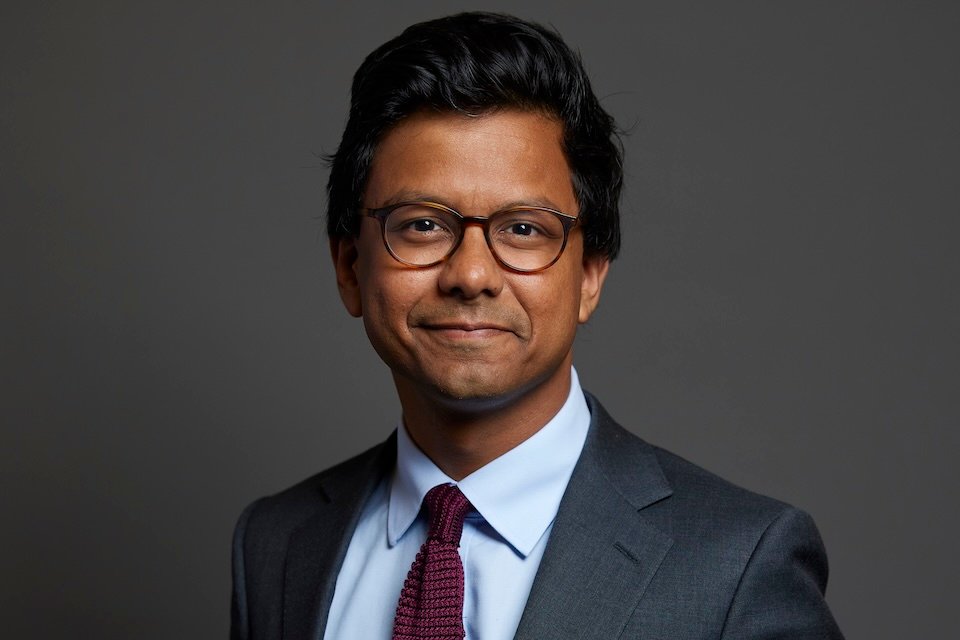
Image: official portrait of Kanishka Narayan, GOV.UK, Crown copyright, Open Government Licence v3.0. Not a photograph of today’s speech.

Leave a Reply